Wild Origins Canada – Articles
Unlocking Wildlife Secrets: How Teeth Tell the Story of Conservation
By Mark Hall
When hunters and scientists sit down together, the conversation often turns to the land, the animals, and the future of conservation. In Alberta, that dialogue has taken on a fascinating new dimension—one rooted in something as small and ordinary as a tooth.
Dr. Everett Hanna, wildlife scientist at Lethbridge Polytechnic and director of the Wildlife Analytics Lab, has built a program that is quietly revolutionizing how we understand the age and life history of wild animals. His lab specializes in cementum annuli analysis—a microscopic technique that reads growth rings in teeth much like dendrologists count rings in trees. Each ring represents a winter survived, offering a precise record of an animal’s age.
For hunters, managers, and conservationists alike, this information is gold. Knowing whether a harvested deer was two years old or six, or whether a bear was a mature adult rather than a cub, changes how we evaluate population health, reproductive potential, and long-term sustainability. “Managers need to know plus or minus a year,” Hanna explains. “That level of accuracy is critical when you’re talking about species whose prime reproductive years may only span a few seasons.”
Traditional field estimates—looking at tooth wear or body size—can only provide rough categories: young, middle-aged, or old. Cementum analysis, by contrast, delivers fine-scale resolution. This matters because wildlife populations are managed on tight margins. A deer herd with too many young animals may struggle to reproduce effectively, while one dominated by older individuals could be nearing decline.
The lab’s work also extends into enforcement and forensic science. In one case, teeth helped determine whether a bear harvested in British Columbia was illegally taken as a cub. The analysis revealed the animal was several years old, though unusually small—a dwarf bear. Such precision not only informs management but also ensures fair and lawful hunting practices.
Until recently, Canadian wildlife teeth were shipped south to U.S. labs for analysis. Hanna saw both a scientific gap and an opportunity. With support from Lethbridge Polytechnic and a spark of collaboration with the Alberta Professional Outfitters Society (APOS), he began developing the capacity to process samples at home.
The lab’s inception was humble—repurposing a cryostat machine designed for soft tissue to cut teeth into thin sections. But the vision was clear: create a Canadian hub for tooth aging that could serve both researchers and hunters. Early validation came through blind tests against the established U.S. lab, proving the Alberta team could match accuracy.
Momentum grew quickly. APOS stepped in with funding, equipment support, and advocacy. Their contributions—approaching half a million dollars—allowed the lab to expand staffing and technology. In recognition, Lethbridge Polytechnic renamed one of its teaching spaces the Alberta Professional Outfitters Society Wildlife Conservation Lab, a daily reminder of the partnership between hunters and scientists.
The story of support doesn’t end there. Alberta’s Minister’s Special Licenses (MSLA) program channels money from auctioned hunting tags directly into conservation. At expos in Reno and Salt Lake City, hunters bid competitively for the chance to pursue iconic species like bighorn sheep. The funds raised—often far beyond the cost of a regular hunt—flow back into Alberta through grants managed by APOS and the Alberta Conservation Association.
Institutions like Hanna’s lab apply for these grants to fund research, equipment, and student training. In this way, hunters from across North America are directly underwriting the science that safeguards the very wildlife they pursue. It’s a virtuous cycle: hunters invest in conservation, scientists generate knowledge, and managers apply that knowledge to sustain healthy populations for everyone.
For students at Lethbridge Polytechnic, the lab is more than a research facility—it’s a hands-on classroom. They learn histology, microscopy, and the intricacies of wildlife biology while contributing to real-world conservation outcomes. Processing thousands of mule deer teeth from Alberta’s chronic wasting disease monitoring program, for example, gives students both technical skills and a sense of purpose.
The lab’s partnership with hunters ensures that these students aren’t just studying theory; they’re part of a living system where science, policy, and community intersect. As Hanna notes, “It’s incredible to walk past the lab every day and see APOS’s name and logo. It’s a legacy effect that will continue to bear fruit for years to come.”
At its heart, tooth aging is about more than science—it’s about collaboration. Farmers, hunters, scientists, and policymakers all have a stake in the health of Alberta’s wildlife. By unlocking the secrets hidden in teeth, the Wildlife Analytics Lab provides the data needed to balance those interests responsibly.
For hunters, it validates their role as conservationists. For students, it offers a pathway into meaningful careers. For the public, it ensures that wildlife management decisions are grounded in evidence, not guesswork.
And for the animals themselves, it means their stories—written in the rings of their teeth—are heard, respected, and used to guide a future where conservation is truly for everyone.
Citation: Hall, Mark (Host). Alberta Conservationist Podcast: Fangs to Facts || Ep. 1 with Dr. Everrett Hanna. 2025. Available of Spotify and Apple Podcasts under the Hunter Conservationist Podcast channel.
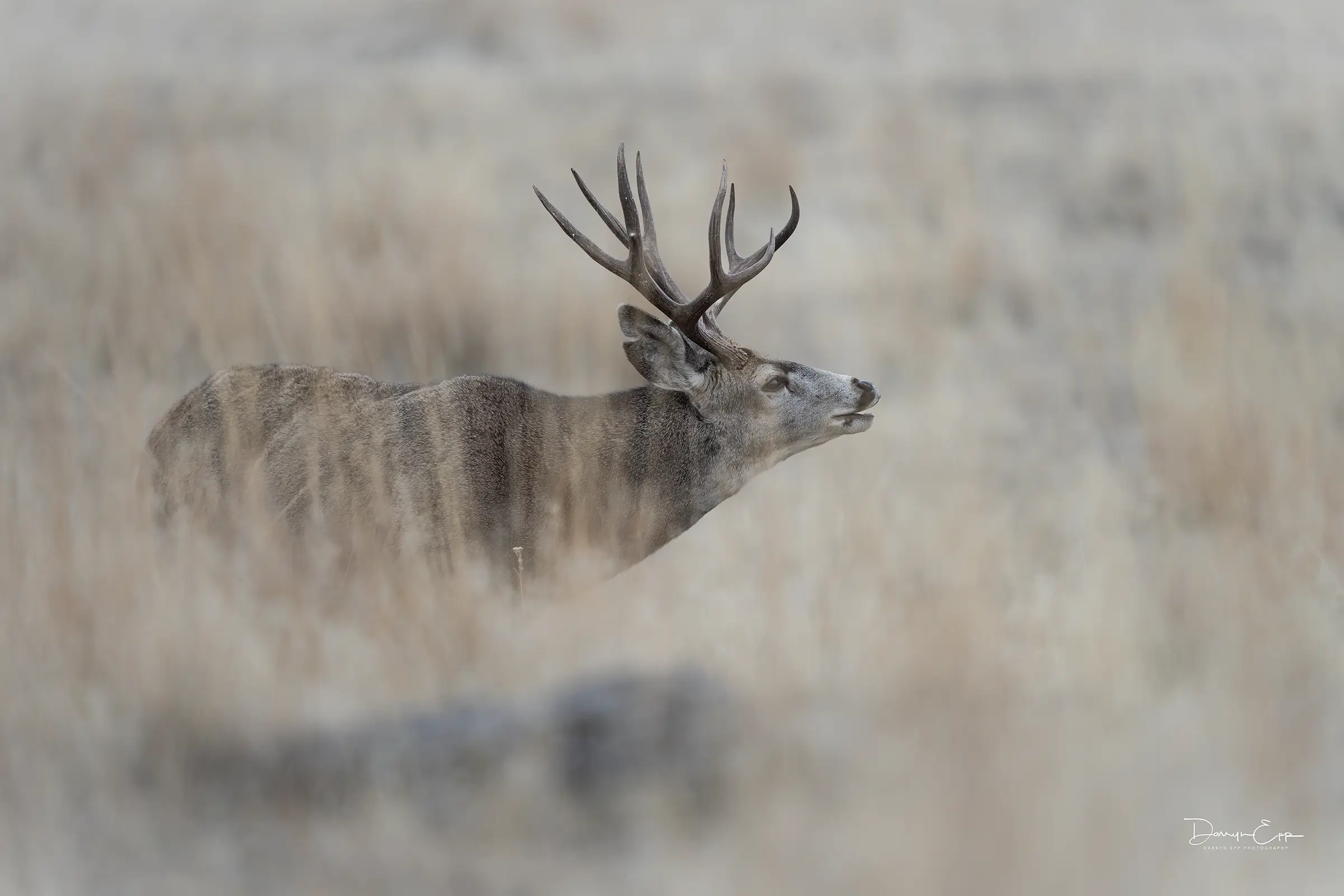
Cover Photo: Darryn Epp Copyright © 2025
Mule Deer on the Move: Alberta’s Landmark Collaring Project
By Mark Hall
Few animals embody Alberta’s sweeping landscapes quite like the mule deer. From the rugged Rocky Mountain foothills to the rolling prairies and agricultural zones, mule deer are a constant presence—a species that connects Albertans to the land whether they are hunters, hikers, photographers, or simply citizens who enjoy seeing wildlife on the drive home.
While Alberta’s official provincial mammal is the bighorn sheep, its range is limited to pockets of alpine terrain. Mule deer, by contrast, roam across nearly every ecosystem in the province. That ubiquity makes them both iconic and vulnerable. In recent years, concerns have grown about declining abundance, disease prevalence, and shifting population dynamics. Chronic Wasting Disease (CWD), in particular, has hit mule deer harder than whitetails, with bucks showing some of the highest infection rates.
Recognizing these challenges, Alberta’s wildlife managers, researchers, and stakeholders launched a groundbreaking initiative: a collaborative mule deer collaring project designed to fill critical knowledge gaps. At the heart of this effort is a partnership between the Alberta Conservation Association (ACA) and the Alberta Professional Outfitters Society (APOS)—two organizations with deep ties to Alberta’s hunting community. Their funding and support have been instrumental in bringing this ambitious research to life.
As Mark Hall, host of The Alberta Conservationist Podcast, noted in his conversation with lead biologist Shawn Wasel, mule deer management has often been shaped by anecdotal observations. Hunters, ranchers, and rural residents spend thousands of hours on the land, and their “coffee shop talk” about predator impacts or declining deer numbers carries weight. But anecdote alone cannot guide policy.
The North American Model of Wildlife Conservation emphasizes evidence-based decision-making. That’s where the collar project comes in. By equipping mule deer with GPS collars, researchers can track survival, mortality causes, migration routes, and body condition with unprecedented precision. The goal is to move beyond speculation and provide managers with hard data to inform harvest regulations, habitat priorities, and conservation strategies.
The project’s inception came through a multi-stakeholder advisory committee tasked with providing recommendations to government. Among the strongest voices were hunting organizations, who recognized both the conservation imperative and the cultural importance of mule deer.
The Alberta Conservation Association, funded in part by hunting license revenues and conservation levies, brought resources and expertise to the table. The Alberta Professional Outfitters Society, representing guides and outfitters across the province, contributed funding and logistical support. Their members—many of whom rely on healthy mule deer populations for their livelihoods—wanted to ensure sustainable harvest opportunities while also conserving the species for future generations.
As Wasel explained, the project distilled into three broad desires:
- Conserve mule deer on the landscape.
- Provide more mule deer to support sustainable harvest.
- Maintain opportunities for older, mature bucks where appropriate.
These objectives reflect a balance between conservation science and hunting interests. Without the financial backing and advocacy of hunting organizations, the collar project would not have scaled to its current scope.
The project began in earnest last year, with collars deployed in two regions:
- Southeastern Alberta (short-grass prairie and sage steppe) – 62 collars
- Southwestern Alberta (foothills into alpine) – 52 collars
The focus was on does, which drive population growth. Roughly 80 percent of collars were placed on females, with the remainder on bucks. The collars, equipped with GPS and cellular technology, transmit location data multiple times per day. They also include accelerometers that trigger “mortality mode” alerts when a deer stops moving for six hours, allowing rapid investigation of deaths before scavengers obscure evidence.
Future plans include expanding into the Peace River country and Wainwright parkland, pending additional funding. Again, hunting organizations are central to raising the resources needed for this expansion.
The collar project is designed around six objectives:
- Annual survival of adult does. Are females surviving at rates that allow populations to grow or remain stable?
- Buck survival. How do hunting seasons, predation, and disease affect male survival?
- Efficient population estimates. Can mark-recapture methods using collared deer improve aerial survey accuracy?
- Migration and movement corridors. Do Alberta’s mule deer migrate, and if so, where? Early data show about 10 percent are migratory, with some crossing the Continental Divide into British Columbia.
- Body condition. Using portable ultrasounds, researchers measure fat and muscle indices to assess habitat quality and survival prospects.
- Fawn recruitment. While not directly collared, fawn survival is inferred through composition surveys and doe-fawn ratios.
Together, these questions aim to provide a comprehensive picture of mule deer ecology and management needs.
While hunters have provided critical funding and support, the benefits of this research extend to all Albertans. Mule deer are part of the province’s natural heritage. Photographers, hikers, and families enjoy seeing them in fields and aspen stands. Urban residents encounter them browsing in backyards.
As Hall observed, there is something regal and iconic about a mature mule deer buck. Ensuring that such animals remain on the landscape is a goal that transcends hunting. It is about conserving a species that defines Alberta’s identity.
The collar project is still in its early stages, but already it is reshaping how managers understand mule deer populations. With over 140,000 location points collected, researchers are beginning to map survival rates, migration corridors, and mortality causes with statistical confidence.
The partnership between scientists and hunting organizations demonstrates the power of collaboration. Hunters, often portrayed narrowly as harvesters, are in fact among the most committed conservationists. Their dollars, advocacy, and passion are helping ensure that mule deer remain abundant for generations to come.
In Alberta, mule deer are more than just game animals. They are symbols of resilience, adaptability, and wildness. Thanks to this landmark research project—and the hunters who helped make it possible—their secret lives are being revealed, and their future looks brighter.
Citation: Hall, Mark (Host). Alberta Conservationist Podcast: Tracking the Wild: Inside Alberta’s Mule Deer Conservation || Ep. 3 with Shawn Wasel. 2025. Available of Spotify and Apple Podcasts under the Hunter Conservationist Podcast channel.
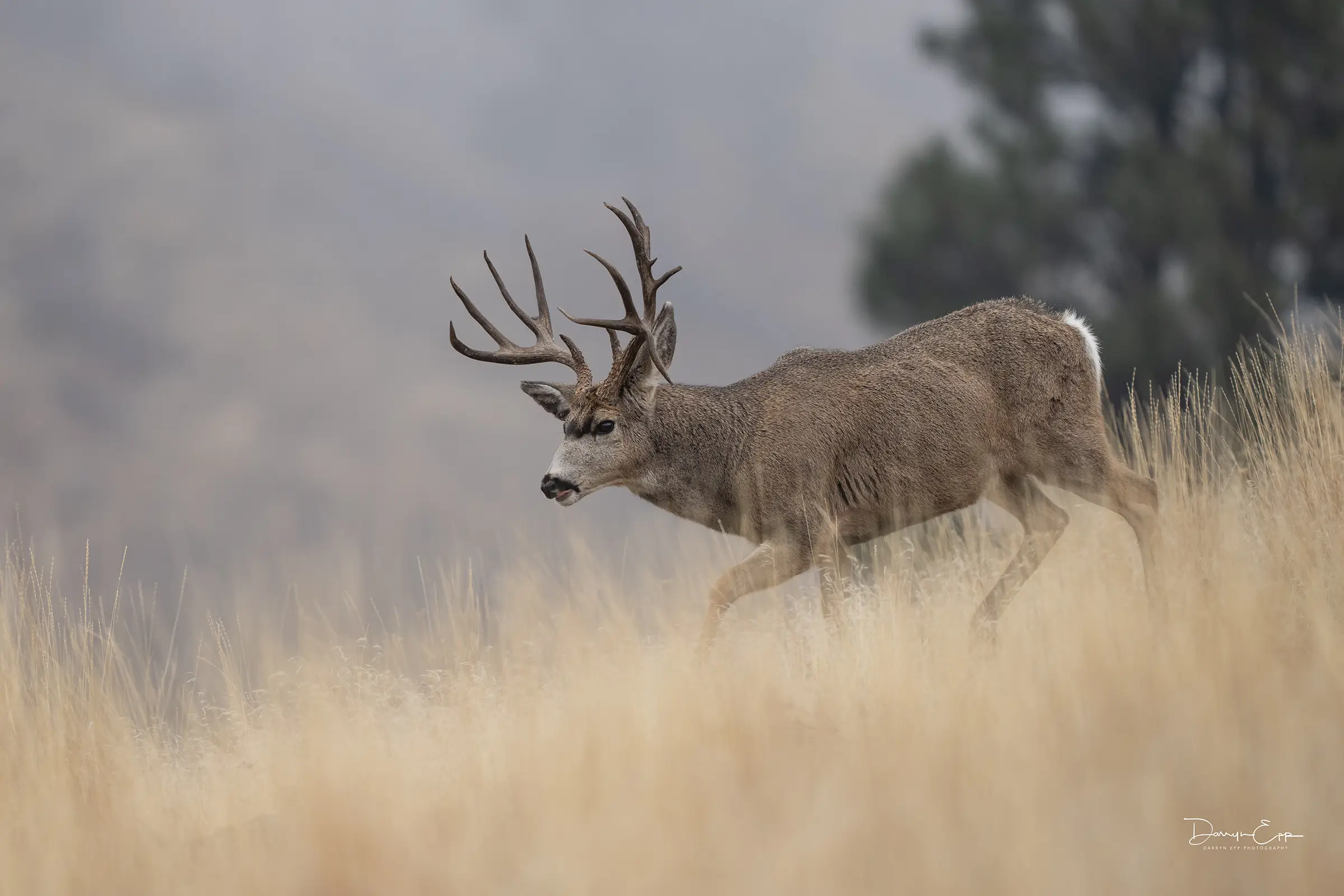
Cover Photo: Darryn Epp Copyright © 2025
Is Killing More Deer the Solution to Controlling CWD?
Mark Hall
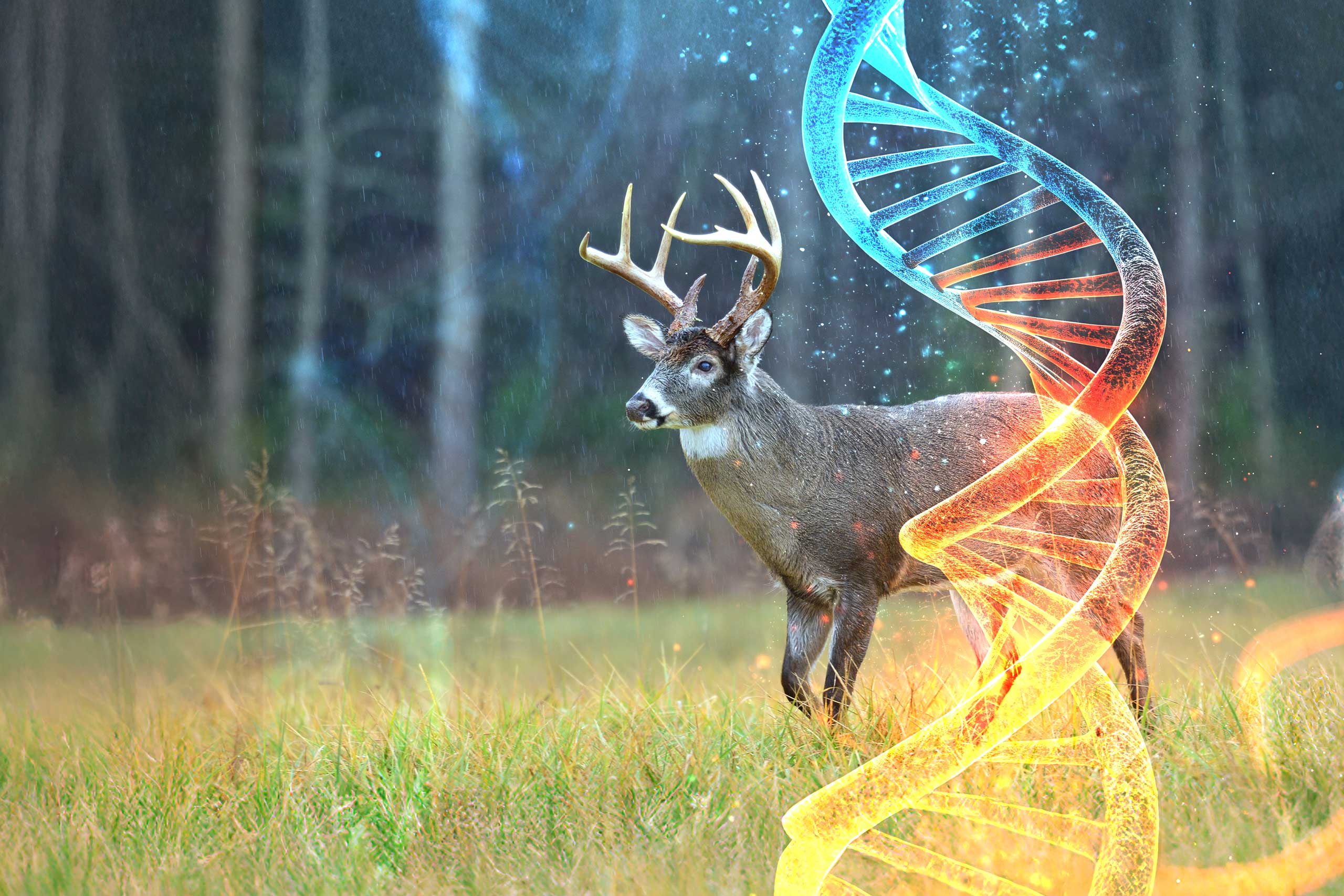
Genetic Clues in the Fight Against Chronic Wasting Disease
Chronic wasting disease (CWD) has become one of the most pressing wildlife health issues in North America. Hunters, conservationists, and scientists alike are grappling with its spread across deer populations, and the debates around how best to respond are as heated around campfires as they are in academic conferences. Alberta was hit hard when infected deer moved westward from Saskatchewan, and now the disease has crept into southeastern British Columbia. The arrival of CWD in the extreme west of Canada underscores the urgency of finding solutions that balance science, management, and public values.
At the heart of the conversation lies a controversial question: should hunting and culling be used to reduce deer densities, thereby lowering transmission rates? Some argue that fewer deer means fewer opportunities for infection. Others recoil at the idea of widespread culling, seeing it as too harsh or ethically troubling. Yet amid these debates, a fascinating frontier of research is emerging—genetics.
Dr. Alfred Roca, professor in the Department of Animal Sciences at the University of Illinois, has spent years studying genetic variation in wildlife. Alongside colleagues, he has uncovered striking evidence that certain genetic variants in white-tailed deer dramatically reduce the impact of CWD. Unlike most diseases, where genetic resistance might shave off a few percentage points of risk, these variants appear to offer reductions of 66% with one copy and up to 90% with two copies.
The key lies in the prion protein gene. Prions are misfolded proteins that can trigger other proteins to misfold, leading to transmissible spongiform encephalopathies—diseases that literally leave sponge-like holes in the brain. In deer, this manifests as altered behavior, thirst, and congregation around water sources, which in turn accelerates transmission. But mutations at positions 95 and 96 of the prion protein seem to change the structure in ways that make deer far less susceptible.
Illinois provided fertile ground for this research. Since CWD entered the state in 2002, the Department of Natural Resources has collected thousands of samples from hunted deer, sharpshooting operations, and even vehicle collisions. By matching positive and negative deer from the same square mile, researchers could isolate the genetic differences. The results were clear: deer carrying the advantageous variants were far less likely to test positive.
What makes this discovery even more intriguing is its prevalence. In Illinois, about 43% of deer carry one of these protective variants. Similar studies in Alberta found nearly half of sampled deer had them as well. That’s unusually high for a disease first identified in 1967. Roca speculates that something in the distant past may have driven these variants to higher frequencies, perhaps an ancient epidemic that selected for resistance.
Yet not all populations are equally fortunate. The endangered Colombian white-tailed deer of Oregon and Washington, genetically isolated from other herds, show no protective variants at all. If CWD reaches them—as it already has in neighboring Idaho—the consequences could be devastating. By contrast, Florida’s Key deer, another isolated subspecies, are remarkably protected, with more than 90% carrying advantageous alleles. These stark differences highlight how genetic isolation can either safeguard or imperil populations.
Genetic resistance isn’t unique to CWD. Epizootic hemorrhagic disease (EHD), another viral threat to deer, shows similar patterns. In the southern United States, deer populations appear to have developed resistance over time, while northern herds remain highly vulnerable. Outbreaks in British Columbia and Washington have left deer “tipping over all over the landscape,” as one hunter described. Roca’s team has investigated immune system genes, such as toll-like receptors, which recognize viral shapes and activate defenses. Variants in these genes may explain why some deer survive EHD while others perish.
So, what does this mean for wildlife managers? Traditionally, CWD strategies have focused on reducing deer densities to limit contact and transmission. While effective, this approach ignores the underlying genetic makeup of populations. If nearly half of deer in a region carry protective variants, indiscriminate culling could inadvertently remove individuals with the very traits that offer hope for long-term resilience.
Understanding genetic resistance opens new possibilities. Managers could monitor allele frequencies across landscapes, identify vulnerable populations, and tailor strategies accordingly. In isolated herds like the Colombian white-tailed deer, genetic data could inform urgent conservation measures. In more connected populations, managers might balance density reduction with efforts to preserve genetic diversity.
Of course, genetics is not a silver bullet. Deer with advantageous genes are not immune; they can still contract and shed prions, albeit at lower rates and over longer lifespans. There are also questions about whether longer-lived deer with the advantageous genes might contribute more prions to the environment. Current evidence suggests this is unlikely to outweigh the benefits, but ongoing research is essential.
The story of CWD is one of complexity: a disease spread by proteins rather than viruses, transmitted through soil, plants, and water, and resisted by mutations that may have roots in ancient history. It is also a story of hope. The fact that protective variants are already widespread in many populations means that natural selection could gradually shift deer herds toward greater resilience.
For hunters, conservationists, and policymakers, the challenge is to integrate this genetic knowledge into practical management. That means moving beyond a one-size-fits-all approach to density reduction and recognizing that not all deer are genetically equal. It means protecting vulnerable subpopulations while allowing resistant traits to flourish in others. And it means continuing to invest in science that bridges the gap between laboratory findings and field realities.
While density reduction remains a tool, genetics provides a deeper layer of insight that could shape more effective, nuanced, and hopeful strategies. By combining traditional management with genetic awareness, we stand a better chance of safeguarding North America’s deer populations against one of the most insidious wildlife diseases of our time.Citation: Hall, Mark (Host). Alberta Conservationist Podcast: Genetic Resistance to Chronic Wasting Disease || Ep. 4 with Dr. Alfred Roc. 2025. Available of Spotify and Apple Podcasts under the Hunter Conservationist Podcast channel.
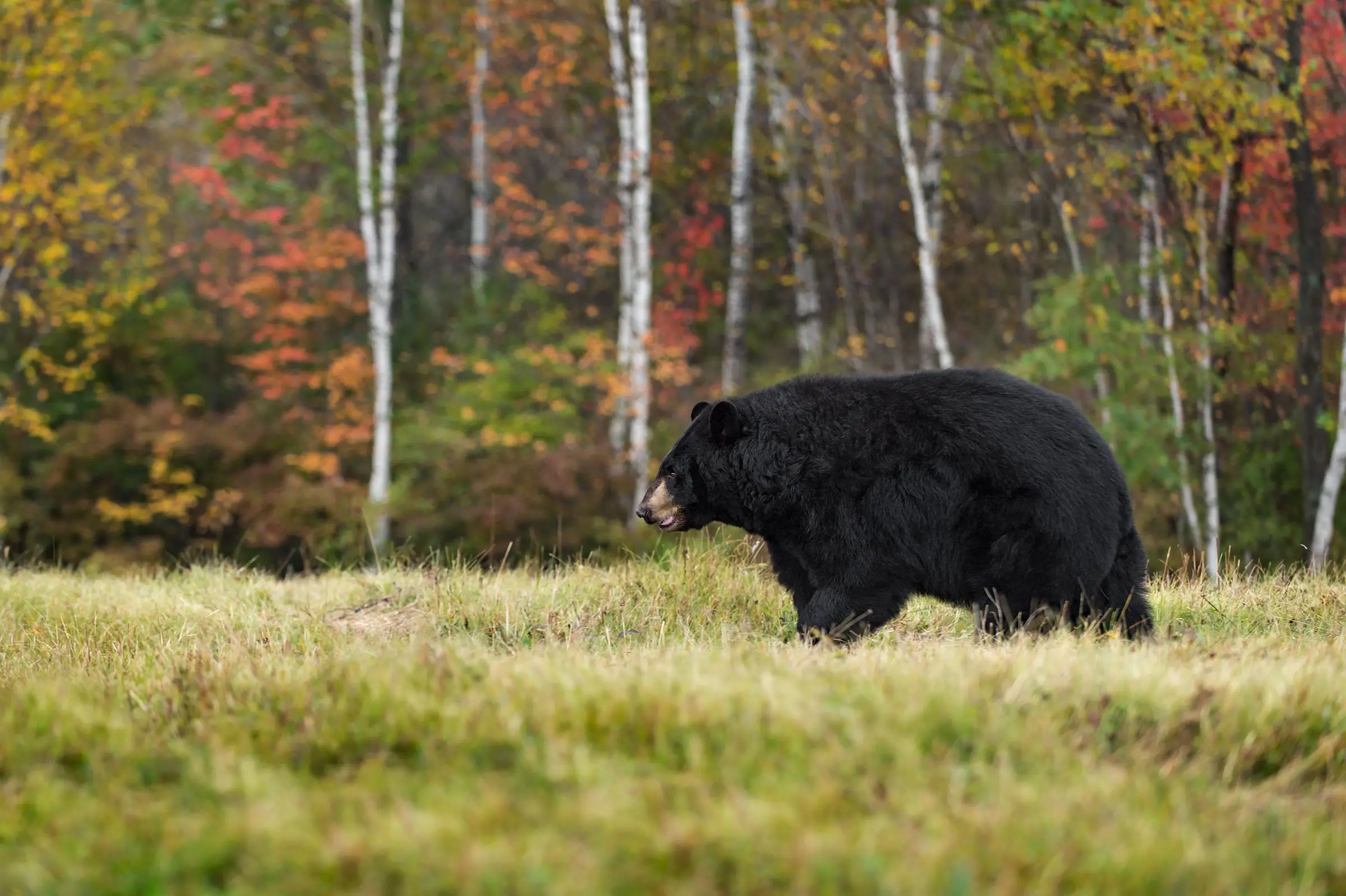
Manitoba Spring Black Bear Hunt: A Balanced Perspective in Response to Recent Criticism
By Mark Hall
Informed Conservation and Animal Welfare: Facts Matter
The Animal Alliance of Canada, an animal welfare organization based in Toronto, has recently been in the spotlight due to its newly released report calling for the end of Manitoba’s spring black bear hunt. The report, echoing past campaigns in other provinces, asserts that hundreds of black bear cubs are orphaned annually by this practice—a claim that warrants scrutiny.
It’s essential to recall that similar arguments were made regarding Ontario’s spring black bear hunt, when claims of widespread orphaning were later refuted by provincial biologists. Now, as the debate resurfaces in Manitoba, it is crucial to examine both the report’s methodology and the broader context of black bear management.
Examining the Data
At first glance, the Animal Alliance’s report presents itself as a detailed and scientific document. However, a closer look at the literature it cites reveals inconsistencies: not all referenced sources support the conclusions drawn, and, in some instances, directly contradict the Alliance’s assertions.
The central argument is that spring hunting results in a significant number of orphaned cubs—specifically, the report claims that 224 cubs were orphaned by hunters in Manitoba in the spring of 2023. This figure is based on extrapolating the proportion of female bears with cubs, average litter sizes, and harvest data. However, the methodology overlooks several critical biological realities:
- Not all harvested females are of breeding age. Black bears typically reproduce around age six, meaning younger females would not have cubs.
- Female bears may be solitary for many natural reasons unrelated to hunting, such as cub mortality in the den, sexually selective infanticide (SSI) or natural abandonment due to stress or poor health.
- Black bears have a two-year reproductive cycle—not every mature female has cubs each year.
Scientific studies indicate that solitary females, rather than those with cubs, are most frequently taken by hunters during spring hunts. Therefore, the 224 orphaned cubs cited by the Animal Alliance is a hypothetical projection, not a confirmed figure.
The Science Behind Cub Orphaning
To bolster its case, the Animal Alliance references a peer-reviewed paper lead by scientist Hank Hristienko. Ironically, this study was published to address similar claims of widespread orphaning. Using rigorous field data and mathematical modeling, the Hristienko paper estimated that, at most, 41 cubs might be orphaned annually due to hunting—a figure that accounts for less than 2 percent of natural cub mortality. This context highlights that the potential impact of hunting on cub orphaning is comparatively minor.
When peer-reviewed science did not support their elevated numbers, the Alliance leaned on anecdotal evidence, such as media reports about individual cubs, an older, non-peer-reviewed discussions among biologists (notably the Beck paper from the 1990s) to argue that hunters cannot distinguish between males and females and may inadvertently orphan cubs by shooting mothers whose young are hidden nearby. Presenting opinion and anecdote as scientific fact, however, undermines the credibility of their case.
Conservation, Animal Welfare, and Philosophical Differences
At its heart, the debate over spring black bear hunting is shaped as much by philosophy as by science. Animal welfare advocates tend to focus on the well-being of individual animals and favour a risk-free, zero-harm standard. Hunters and wildlife managers, meanwhile, balance individual welfare with population-level sustainability, seeking to minimize harm while ensuring overall species health.
Both perspectives are valid and deserve respect. However, responsible wildlife policy must be grounded in scientific evidence and a clear-eyed assessment of ecological realities.
Is the Manitoba Spring Black Bear Hunt Ecologically Responsible?
Sustainability is the cornerstone of responsible wildlife management. Canadian black bear populations are not at risk—today, they occupy 95 percent of their historical range and are managed with modern conservation principles. The shift in the early 20th century from seeing black bears as vermin to recognizing them as valuable game animals is a Canadian conservation success story.
In Manitoba, the spring black bear hunt is tightly regulated and monitored. Evidence suggests that its impact on bear populations, including cub orphaning, is minimal and well within natural limits. The practice meets legal definitions of humaneness, prioritizing the avoidance or minimization of pain and distress.
Conclusion
The Animal Alliance of Canada’s advocacy for animal welfare is commendable, and ongoing scrutiny of hunting practices is both necessary and healthy for conservation. However, the conversation must remain rooted in factual, peer-reviewed science rather than anecdote, projection or philosophical ideologies.
When it comes to the Manitoba spring black bear hunt, the best available evidence indicates that the practice is both ecologically responsible and humane. Let us continue to debate and improve our practices but let us do so with respect for both science and the diversity of perspectives in Canadian society.
Cover photo © geoffkuchera/Adobe Stock
Pros & Cons of Registered vs. Non-Registered Traplines in Canada
by Matt Learie
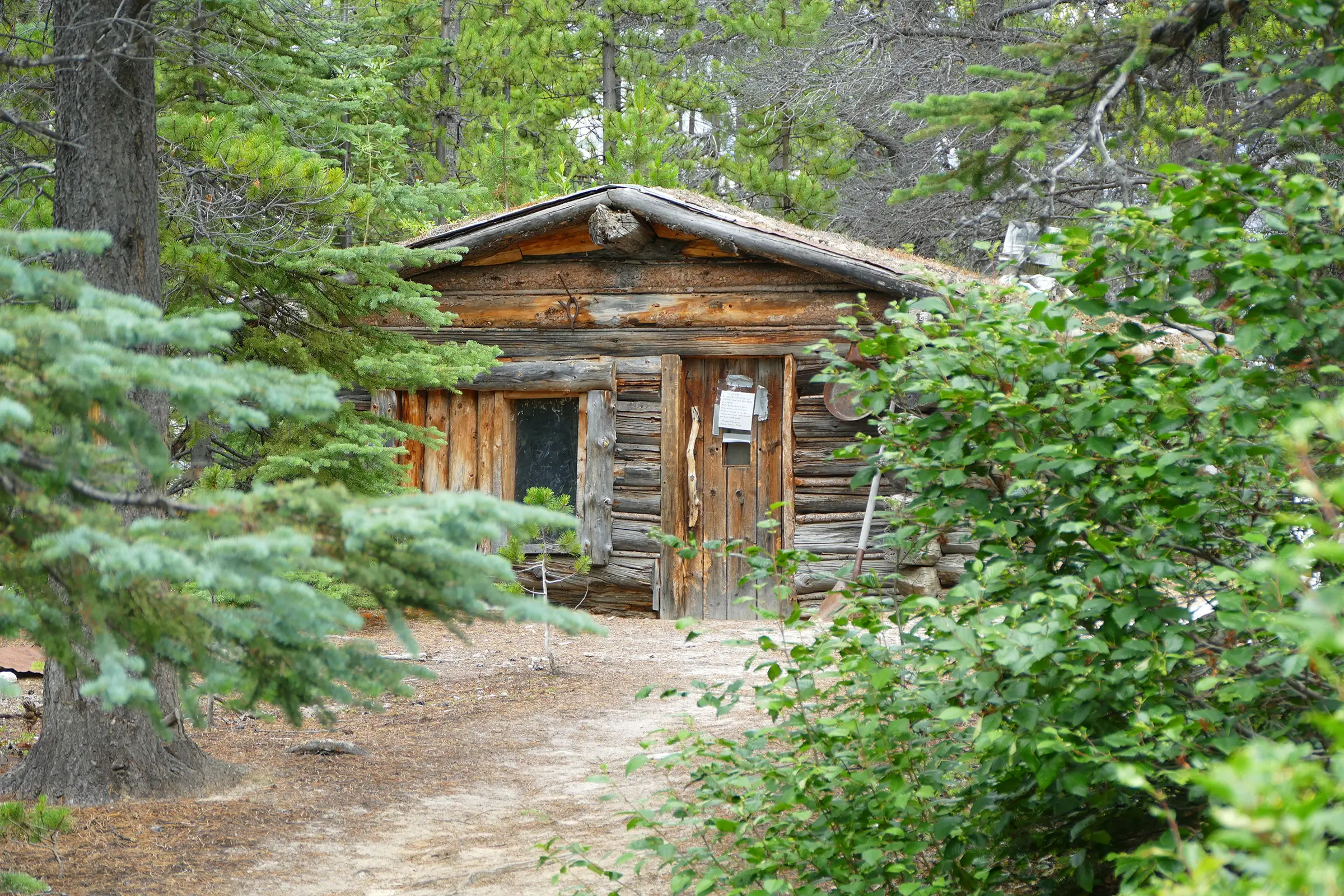
One of Canada’s earliest industries was trapping. Alongside fishing, fur was among the first major exports from the country. At one time, it was an extremely lucrative trade, producing some of the toughest and most knowledgeable individuals in Canadian history. Today, trapping has shifted from a commercial enterprise to more of a tradition, a way for people to reconnect with the land and preserve cultural heritage. Trappers today do it for the love of the lifestyle and to keep alive what was once a defining aspect of Canadian identity.
Many provinces in Canada operate under a registered trapline system. Under this system, trappers are granted exclusive rights to a specific area, allowing them to manage it as they see fit. This often results in minimal competition. However, these registered lines are usually remote, generationally passed down, and highly valued in the trapping community. A great deal of effort, often over multiple generations, has gone into building and maintaining them.
Other provinces, however, follow a more open-access model. On Crown land, anyone can trap if they comply with provincial wildlife regulations. This means traps and snares can be placed almost anywhere the trapper deems suitable. Let’s explore the pros and cons of both systems.
Non-Registered Lines
For trappers who are used to registered lines, the concept of open-access trapping is often met with skepticism, even disdain. I like to compare it to sharing a bathroom in college; while having your own would be ideal, if that’s not an option, you either wake up early to beat the crowd or stay up late to avoid it.
Personally, I’ve only ever trapped in non-registered areas, and I can confirm it can be frustrating to find spots relatively free from other users—rabbit hunters, hikers, off-roaders, and, unfortunately, anti-trappers. In Newfoundland, for example, only beaver lines are registered; all other trapping is done on unregistered land. I know trappers who go as far as disabling their traps at sunrise and resetting them at sunset to avoid interference, an issue registered lines rarely face.
The most significant challenge in open areas is competition. In provinces where outdoor recreation is a big part of life, multiple user groups often converge on the same land. With the rise in reality TV shows about trapping, more people are trying their hands at it. While it’s great to see interest growing, it also brings in those who may not appreciate the commitment trapping requires. “Weekend warriors” and the underprepared can unintentionally disrupt areas others have carefully managed.
Still, there are real benefits to public-land trapping. Many who take up trapping do so because of a family tradition, learning from fathers, grandfathers, or uncles. But for those who don’t have someone to guide them, open-access areas provide an entry point. New trappers can buy some gear, head out, make mistakes, and learn by doing, just like the old-timers did.
TV makes it look easy, but the reality is far different. If you work a 9-to-5 job and have a family, finding time to run your gear before or after work is tough. A non-registered line allows people to trap without shelling out $30,000–$40,000 for a registered area hours away from home. It also allows flexibility for those without off-road vehicles, boats, or other costly equipment.
When I was in college with only a two-wheel drive SUV and a handful of snares, I could still get out and catch fur near my campus. If we had registered lines only, I might have been on a year- long waitlist hoping someone would mentor me.
Non-registered lines allow for experimentation. Trappers can try new areas, rotate watersheds, and harvest more sustainably. But the lack of boundaries invites competition. I’ve had mink boxes set within feet of mine, and I’ve come across abandoned gear left staged for the next season, an unspoken claim to territory. Most trappers respect each other, but there are always a few who will crowd your sets, disable your traps, or toss your gear into the pond. These individuals are not trappers in spirit; they’re opportunists, and they cast a shadow over the community.
Another issue is proximity to populated areas. New or inexperienced trappers often set gear near trails where people hike, walk dogs, or camp. This can lead to accidental catches of pets and negative interactions with the public. These incidents are often used by anti-trapping advocates to fuel their campaigns.
Registered Lines
To better understand registered traplines, I spoke with Glen Cartwright, President of the British Columbia Trappers Association. Glen provided excellent insight into how the system works in Western Canada and emphasized its benefits for furbearer management and conservation.
With a registered line, trappers can manage their harvest more precisely. If a trapper notices a decline in a particular species or an imbalance in male-to-female catches, they can adjust their strategy, giving species a break or targeting a different animal altogether. In public areas, even if a skilled trapper avoids catching female martens, an inexperienced trapper may come behind and unintentionally take them all, thinking it’s a great catch. This level of control makes registered lines more sustainable in the long run.
Another point Glen made was the mentorship opportunity. On a registered line, a seasoned trapper can mentor a beginner without worrying that the newcomer will turn into direct competition. Think of it like fishing; would you take a stranger to your secret trophy trout spot? Probably not. But on a registered line, the relationship is more secure, fostering knowledge transfer without risking your own hard-earned area.
Registered lines also benefit wildlife managers and researchers. With exclusive access, biologists can collaborate with trappers to study species movements, collect valuable data, and test management techniques in a controlled environment, something not easily done on open- access land.
Of course, registered lines have their downsides. After you’ve completed the requirements to become a licensed trapper, where do you go if you don’t have access to a line? These lines are expensive, often costing $20,000 to $99,000. That’s a significant investment for a new trapper who may not even have the time to commit to it fully. And there’s no guarantee those lines are close to home.
While some dormant lines may revert to the province for reallocation or auction, many are lost or repurposed. Still, for those who can afford them, there are ways to generate income beyond trapping itself. Glen mentioned options like offering trapline tours, family trapping days, and public excursions; great ways to educate the public, generate revenue, and show people the reality that is trapping.
Final Thoughts
Both registered and non-registered traplines have their pros and cons, and depending on where you live, you may only have access to one system. But if you truly want to trap, you’ll find a way.
Trapping is one of the most rewarding outdoor pursuits. It challenges the body, mind, and spirit. And just when you think you’ve figured it all out, a lynx will walk right through your snare like it wasn’t even there.
Hunters as Stewards: The Role of Hunting in Rural Conservation
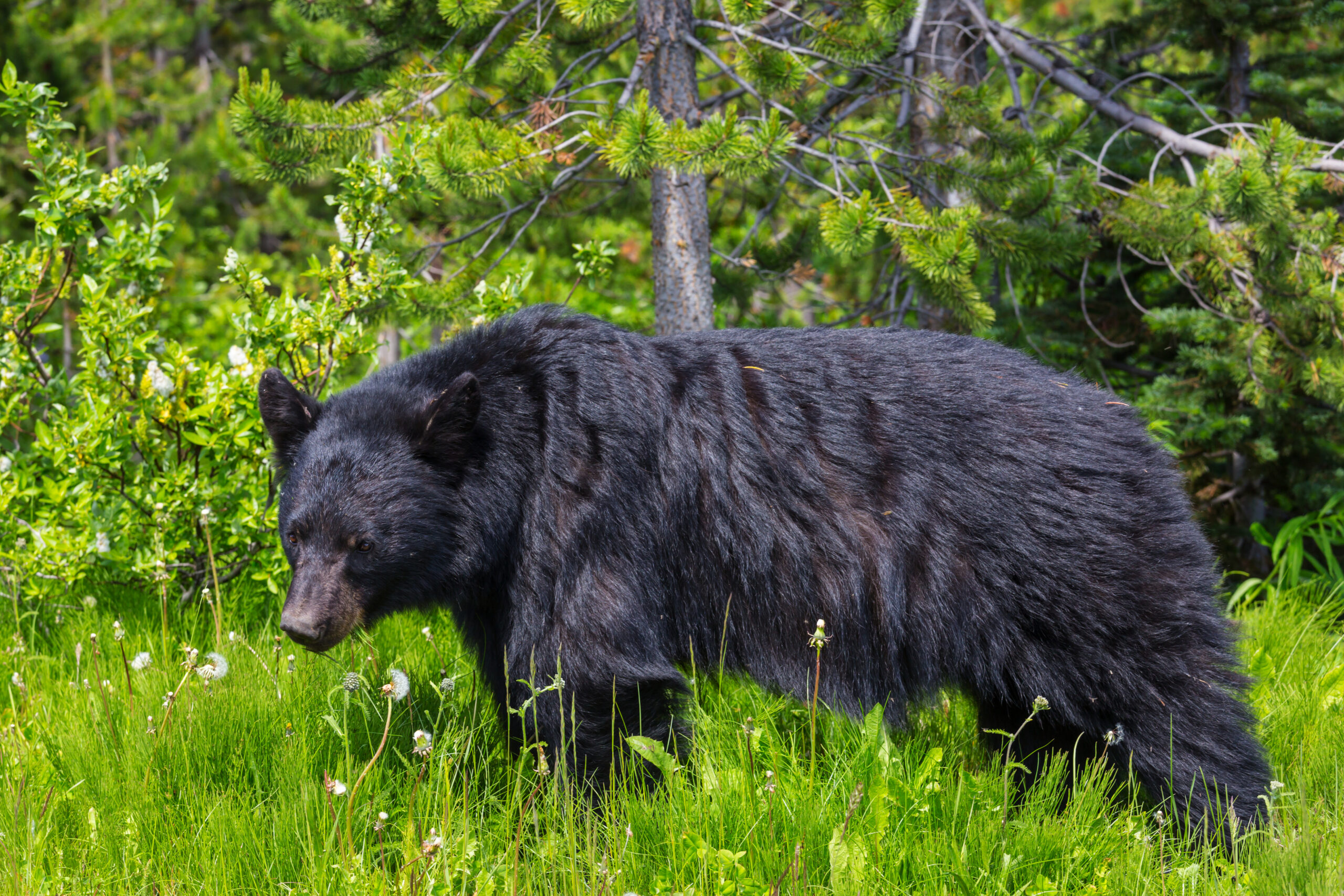
As global wildlife faces mounting threats from climate change, habitat loss, and human expansion, hunting emerges as a vital conservation tool—especially in rural regions like British Columbia. This study highlights the essential role hunters play in managing land and wildlife sustainably while supporting local economies. By engaging a diverse group of stakeholders—resident and Indigenous hunters, wildlife biologists, conservation officers, guide outfitters, and suppliers—the research underscores the deep, place-based knowledge hunters bring to conservation efforts. Their firsthand experience is critical to crafting inclusive, effective policies that protect both wildlife and the communities who coexist with it. Rather than a threat, regulated hunting offers a pragmatic solution to balancing environmental stewardship with economic resilience in rural areas.
Key Points:
- According to the Canadian Federation of Outfitters and Associations, in 2017 the hunting and fishing outfitting industry contributed nearly $2.7 billion to Canada’s gross domestic product and supported over 37 thousand jobs nationwide.
- We are part of the ecosystem right? That is the main view that I would have that we aren’t separate from it … we are part of the ecosystem … we always have been … if it wasn’t for hunting you probably wouldn’t be here… none of us would be(Sean, personal communication, January 15, 2018).
- As a consumptive user you get to understand the trends in abundance because sustainability is what dictates your ability to hunt (Jesse, personal communication, January 24, 2018).
Trophy Hunting and Sustainable Wildlife Management: Supporting Conservation and Community Livelihoods
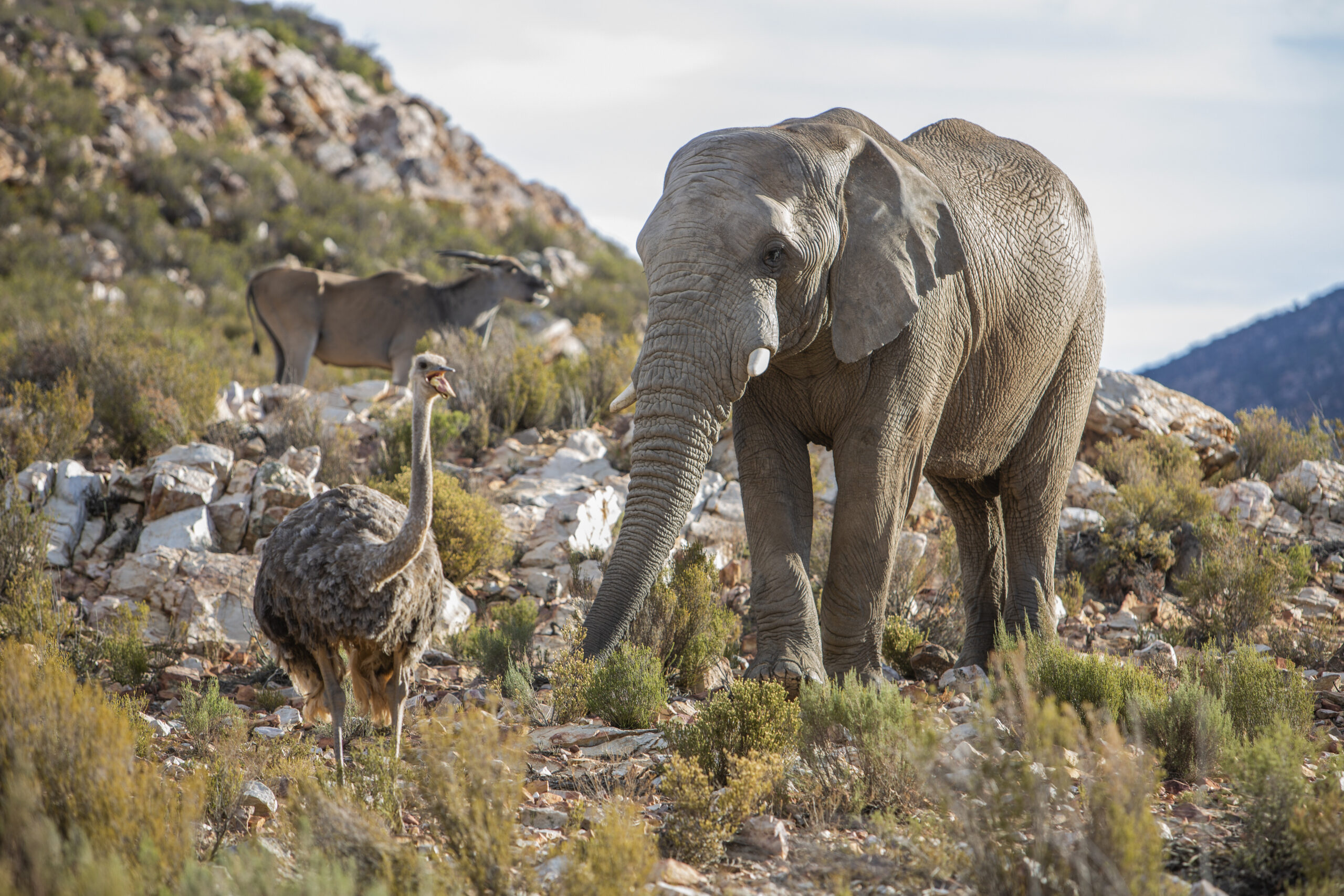
Sustainable wildlife management is vital for biodiversity, local livelihoods, and ecosystem health. The Collaborative Partnership on Sustainable Wildlife Management (CPW) highlights trophy hunting’s important role in funding conservation and supporting community development across Africa, Asia, and North America. Properly regulated trophy hunting incentivizes habitat protection and generates crucial revenue for managing wildlife populations. Alongside international frameworks like CITES, which regulate legal wildlife trade, trophy hunting contributes to sustainable use and conservation goals. Indigenous knowledge and community engagement are essential for effective wildlife stewardship and combating illegal trade. Case studies from regions including Central Africa and Finland demonstrate that responsible hunting, combined with modern tools and adaptive management, enables coexistence between humans and wildlife. This evidence underscores trophy hunting’s value as a practical conservation tool that benefits both nature and people.

Balancing Moose and Wolves to Save Caribou in Canada
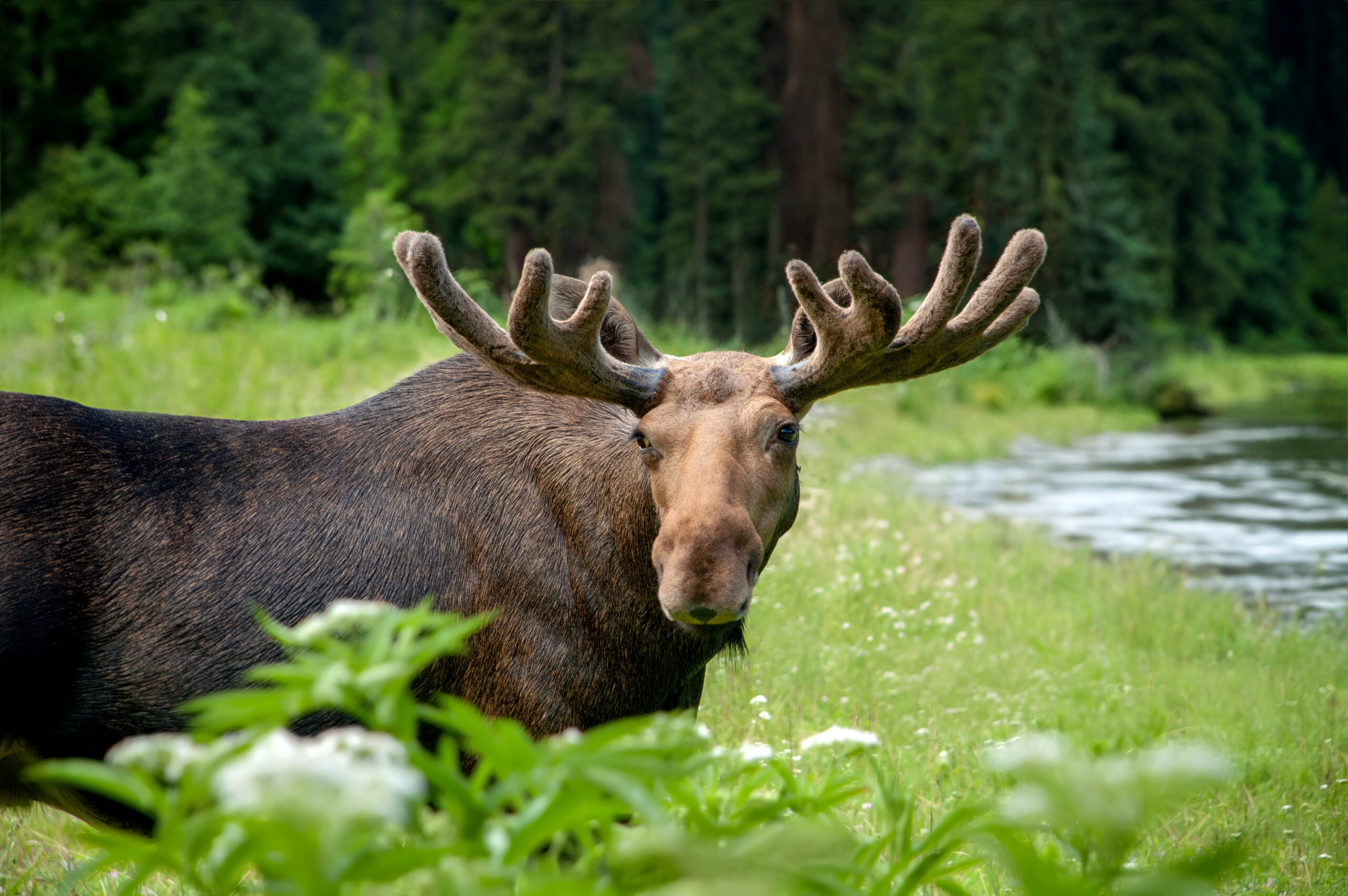
Scientific papers are often difficult to decipher unless you have a background relating to the topic, and even then, with all the data sets, formulas, and graphs it can still be difficult at first read. The information held in some of these papers is often eye-opening and, in most cases, will make the person reading it think deeper about the subjects. In this case, a paper regarding the removal of moose, in turn, meaning less wolves being removed for woodland caribou conservation, did that for me. When I first read the title, “Restoring historical moose densities results in fewer wolves killed for woodland caribou conservation” in a new research study published in 2024 I thought, that doesn’t make sense to me. How would removing one prey source help another prey source? After a couple of reads it made a lot more sense to me.
To summarize this research paper, I’m going to exclude the formulas, graphs, and deep scientific data and let you dig into those if you like these sorts of details. The new research showed that increased hunting designed to reduce moose density to a historical level resulted in fewer wolves being removed as part of recovery actions for the endangered southern mountain caribou population. The results suggested that policies that allow for higher than historical moose densities in caribou ranges will result in removing a greater number of wolves to achieve caribou conservation and recovery objectives. Unless moose, the primary prey, are harvested at a level that decreases their numbers substantially, more wolves will need to be removed to avoid caribou extirpation, until the onset of old-growth forest habitat conditions results in reduced moose abundance. Moose management policies that allow increasing moose abundance in association with wolf removals are anticipated to make ongoing wolf removal objectives increasingly difficult to achieve, thereby challenging caribou conservation.
Lead scientist on this new study, Dr. Michelle McLellan says, “Elevated moose abundance thus has the potential to cause wolf populations to rebound quickly each year following reductions, suggesting a possible link between moose abundance and the number of wolves killed for caribou conservation”. What is suggested here in the paper’s abstract is that, if you have more moose, there will be more wolves and, in turn, more predation. Pretty simple concept when you think about it. Eventually, when the wolves eat up a lot of the moose, they will have to look elsewhere for food. As hunters, we know the importance of population balances. We know that more of one thing may certainly mean less of another and ever since humans have been here on earth, we have meddled in wildlife population dynamics and the reality is we need to continue doing that or we risk losing major populations of wildlife across the world. This is often a hard sell to the anti-hunting, anti-trapping type people (I’ll just refer to them as antis from here). Anti’s feel that we should leave wildlife alone, let them be, and that we should not try and control nature. This is especially true when it comes to wolves, people love wolves, and they get very passionate about them. When it comes to culling wildlife for population reasons, predators often take the first hit. Everyone says remove the predators and the prey will flourish, resulting in the anti’s fighting back for the protection of predators and we’ve seen this repeatedly. What this paper is suggesting, and determined, is that if the prey are reduced, in conjunction with the predators you will need to remove fewer predators in the future. Less prey, less predators, less predation.
The authors of this paper used a unique management situation in British Columbia and Alberta where lethal wolf removals were conducted across specific southern mountain caribou population ranges and, in some places, moose populations concurrently reduced via liberalized hunting. What they found was that after controlling for habitat quality, wolves removed per square km were 3.2 times lower in areas with reduced moose density than in those areas without reduced moose density, resulting in the suggestion that policies that do not reduce or stabilize moose abundance will result in the removal of more wolves to help the endangered caribou population.
A comprehensive investigation has recently identified that wolf removal as the only action, when applied in isolation, consistently increased caribou population growth. We have been employing this strategy for years now, think back on Frank Glaser and his famous .220 swift. But with more modern thinking we can now apply other options in conjunction with this strategy and obtain greater results in population gains, be it penning, supplemental feeding, or moose reductions. Wildlife scientist, Scott McNay noted that direct predator removal reverses caribou decline because there are fewer predators to kill caribou, releasing populations from top-down limitations. Top-down predation is a process in which predators at the top of a food chain affect the abundance of organisms at lower trophic levels. Although this is often seen as a success, it also means that depending on other ecological factors such as habitat quality, it can mean an increase in the abundance of moose and deer.
How is this an issue for caribou conservation? Several researchers have suggested that higher moose and deer populations may accelerate the recovery process of predators and in some cases increase local predator density following a period of intensive predator removal. In addition to wolf removal by people, reducing moose and deer, where they are the primary prey, should impose a bottom-up control on wolf populations leading to fewer wolves and constrained wolf recovery. However, primary prey reductions must be done with sufficient intensity to overcome any density-dependent recruitment and survival of remaining wolves.
All of this of course comes with its ethics and controversy across the various sectors of society. Things such as moose reductions that increase meat and subsistence harvest opportunities may be favorable in some instances but the drastic changes to populations may have negative effects on Indigenous Peoples and licensed hunters in the long run. Other things such as who gets to participate in additional hunting seasons, or when hunters or professional sharpshooters are used are topics that can prove to be very controversial and that need to be factored into the removal strategy. In the study led by Dr. Michelle McLellan, two companies used aerial removal via helicopter and rifles to reduce wolf populations, which continued until wolf numbers were < 1-2 wolves/1,000 km2, making locating additional wolves difficult. Moose removal was achieved by increasing permits for hunting until the population was reduced enough to align with the expected moose density for the areas before they were heavily modified by forest harvesting. Ongoing male and antlerless permits maintained the density at a desired level.
When it comes to the removal of an animal from the landscape there will always be controversy from one side or another. It’s difficult to please everyone when it comes to issues with ungulate populations and predators. Wildlife managers have a hard job to do to achieve a balance, both in nature and in politics. I think people need to realize we’ve had a hand in wildlife population management for centuries in one way or another and we need to continue it to have animals on the land for future generations.
Future of Polar Bear Hunting in Canada
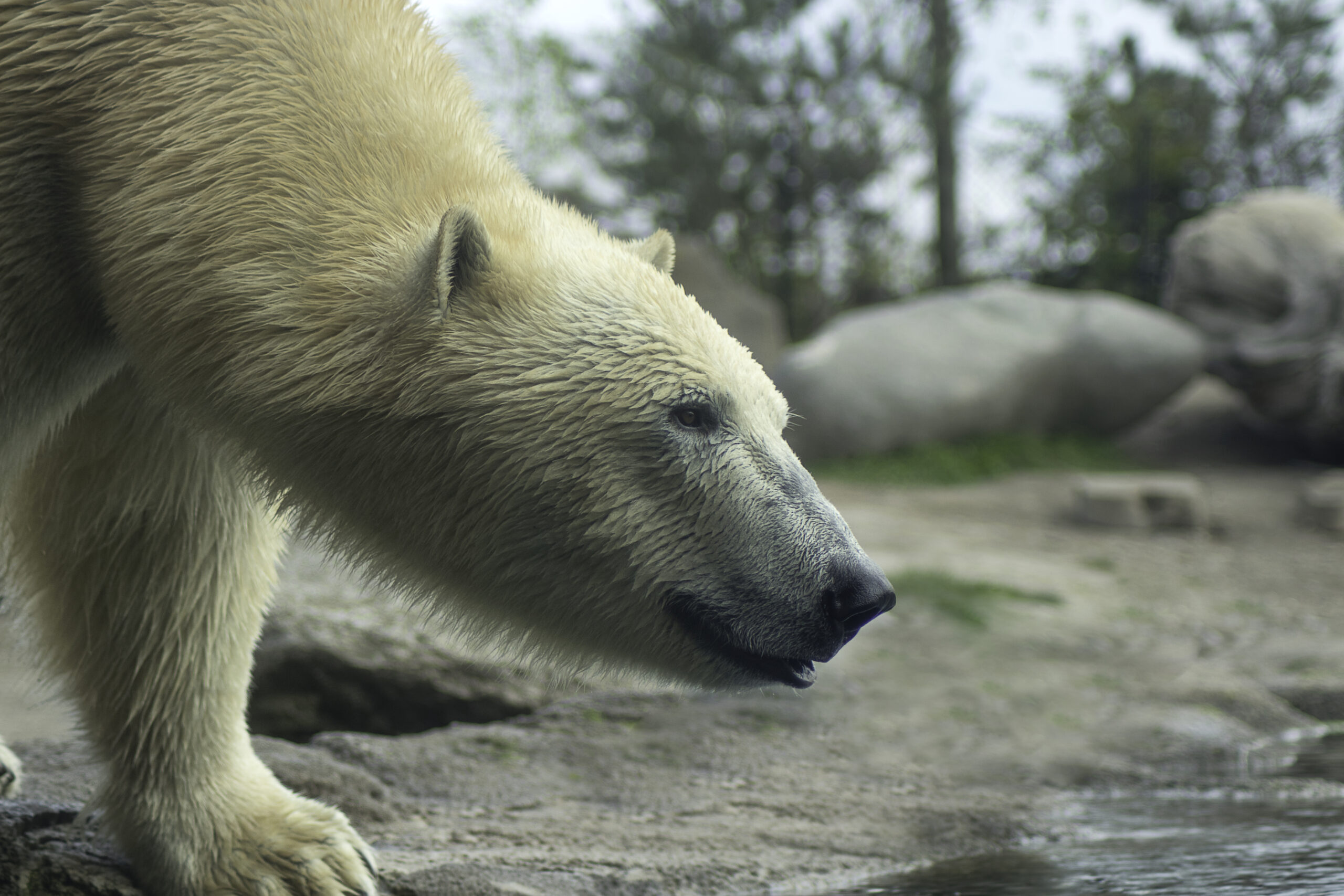
Whether Canada should hunt more polar bears is controversial and complex, involving ethical, environmental, and economic considerations. As the world’s northernmost country with a significant portion of the polar bear population residing in its Arctic territories, Canada plays a pivotal role in conserving and managing this iconic species. However, as climate change and human-wildlife conflicts intensify, the conversation surrounding polar bear hunting is becoming more urgent. Inuit hunters argue it could benefit local communities and the broader ecosystem, while opponents stress the importance of conservation efforts and the ethical implications of hunting a vulnerable species. In an interview with Nunatsiaq News in 2024, Alex Ishalook, Chair of the Arviat Hunters and Trappers Organization and Vice-Chair of the Kivalliq Wildlife Board said, “It’s coming to a point where we are not going to follow [reduced quotas] anymore”.
Polar bears (Ursus maritimus) are the apex predators of the Arctic, dependent on sea ice for hunting seals, their primary food source. The polar bear population is currently more than 17,000 found in 13 subpopulations in Canada. In recent decades, the Arctic has warmed faster than other regions, resulting in melting of glaciers and sea ice. As global temperatures rise, the ice is melting at an unprecedented rate, reducing the bears’ access to their hunting grounds and forcing them to spend more time on land, where food is scarcer. Between 1986 and 2013, the percent of females summering on land increased from 20% to 39% and the average time spent on land increased by 30 days. This not only impacts their survival rates but also brings them into more frequent contact with human settlements.
Despite the alarming effects of climate change, polar bear hunting remains a legal practice in Canada, particularly in the northern territories, where it is often tied to subsistence hunting and local cultural practices. One scientific publication reported that sport hunting is more financially profitable than subsistence hunting; however, the proportion of the polar quota devoted to sport hunt has become relatively stable at approximately 20% across Nunavut.
The addition of polar bears to the US Marine Mammal Protection Act in 2008 did, however, hurt Inuit communities because hunters from the United States could no longer take their trophies home so they stopped booking hunts with Inuit communities that had allotted quota for hunting tourism. According to Diana Weber from the University of Southern Mississippi, the import ban impacted livelihoods of Arctic Indigenous communities reduced tolerance for dangerous fauna and affected local participation in shared management initiatives.
Polar bears are no less an important commodity today, especially for Inuit with limited access to employment. In many Nunavut communities up to half the adult men are either unemployed or limited to casual and/or seasonal work. In a place with high food costs and where the average annual per capita income is less than $20,000, polar bear hunting can be a significant source of income. Either through sales from fur auctions in Southern Canada (in 2006 polar bears sold for approximately CND$150.00 per foot) or to private buyers (avg. received price approx. CAD $2500.00) polar bear hunting can have a positive impact on local communities. Locals will also be able to capitalize on the expensive cost of sport hunts. The sale of polar bear sport hunts is generally negotiated through wholesalers based in Southern Canada and the United States. These wholesalers locate clients and retain 40-45% of the approximately CAD $35,000 sport hunt clients are charged.
Additionally, some argue that regulated hunting can serve as a form of population control, preventing overpopulation in areas where polar bears have more frequent conflict with humans. “There’s been lots and lots of encounters by polar bears – damages to cabins, close calls, people being chased by polar bears around here in the community,” said Alex Ishalook. “Our concerns are getting stronger and stronger.”
The question of whether Canada should be hunting more polar pears gets complicated when evaluating key population factors including reproduction and survival, harvest rate, sex ratio, environmental conditions, and level of precision in population data. So maybe a better question is – How can polar bears be harvested sustainably when considering all demographics including the safety of local communities? By carefully monitoring the hunting quotas and ensuring that hunting is done sustainably, it may be possible to manage the population in a new way that ensures both the long-term survival of the species and the continuation of hunting practices.
The question of whether Canada should hunt more polar bears cannot be answered with a simple “yes” or “no.” It requires a careful examination of the complex factors involved including the impact of climate change on the bears’ habitat to the cultural and economic needs of local communities. Only through a balanced, sustainable approach that prioritizes both conservation and the rights of Inuit can Canada navigate this difficult issue.
Canada should restore quotas and hunt more polar bears to help control their populations, particularly in regions where numbers are growing beyond sustainable levels. This approach would provide Inuit communities with vital economic opportunities, supporting their traditional way of life and socio-economic well-being. By setting appropriate quotas, Canada can ensure that polar bear populations are managed in a way that balances conservation efforts with the needs of Inuit. Considering the changing climate and its impact on both the species and communities, a carefully regulated quota can maintain ecological health while fostering cultural and economic resilience.
Spring Bear Hunting Supports Black Bear Conservation
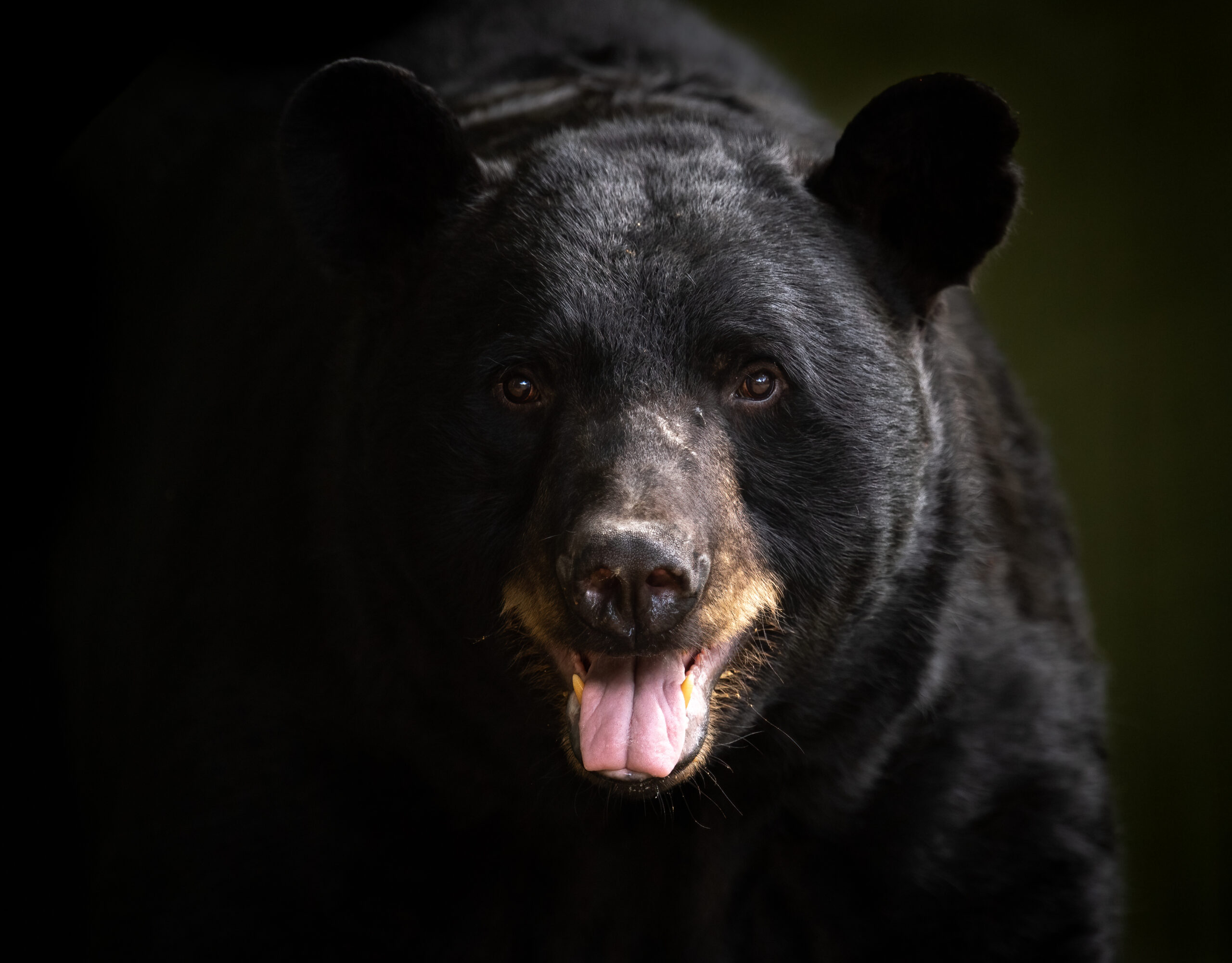
Bear hunting spans from first people to step foot on the North American continent to modern-day hunters that hunt black bears in the spring season. That practice, tradition, and pastime is now being challenged with a recent question posed by a Fish and Game Commissioner: “Why do we still hunt bears in the Spring?”
It’s a good question, one that we should answer: Why is there a spring bear season in states that can sustain it, at all? Which speaks to a larger question as to whether hunting has detrimentally affected Black bears in North America? Notably, among the world’s large carnivores, American black bears (Ursus americanus) are the foremost conservation success story (Garshelis 2020).
We would argue that it’s because of spring bear hunting, not the banning of which, that has led to this conservation success story.
Spring bear hunting seasons are implemented by wildlife biologists and state agencies for population management, research, and conservation. Black bears were named to a big game species halfway through the 20th century by US states, not because the species was common enough to hunt, but rather to help build populations that could be sustainably hunted for recreation and meat (Garshelis 2020).
As of 2019,
- Two-thirds of states with resident black bears have increasing populations
- Eight U.S. states where black bears were once extirpated have viable populations, and
- All continental U.S. states have reported recent sightings of black bears
(Garshelis 2020, Garshelis 2016)
The Spring Bear Hunt Provides the Best Ecology for Bears and Other Wildlife
Black bears, like many large mammals, need to be managed to ensure appropriate ecosystem balances, a mitigation of human wildlife conflicts, specifically in today’s world of anthropogenic influences and pressures on bears and their habitat. Too many bears is not good for bears, nor the environment – this is sometimes referred to as carrying capacity.
The carrying capacity is the maximum number of individuals of a particular species that an environment can sustainably support over time without degrading the habitat. Reflect on this for a moment – it means that a management objective for bears, or any animal, is built to provide the best ecology for those very animals, as well as others and habitat.
So, if bears are being hunted in the spring, what bears are actually being hunted?
The answer is overwhelmingly males (boars), as they emerge earlier than females (sows) and cubs (Washington Department of Fish and Wildlife 2022). The spring season in particular allows hunting efforts to focus on males, which has a lower impact on future population growth. Research by Miller et al. 2003 on brown bears in Alaska found that the selective harvest of males during spring seasons reduces the likelihood of orphaning cubs, aligns with population control strategies, and in fact – cub survivorship was higher amongst heavily hunted bear populations (Miller 2003). This finding begs the question why? Why was cub survivorship actually higher with spring bear hunting? The key element in cub survivorship was carrying capacity – as the authors share variations in cub survivorship and litter size were best explained by proximity to carrying capacity. This is backed up empirically by data from the state of Washington – in 2021, the last year of the spring bear hunt, males made up 66.04% of the spring harvest, aligned with historical data wherein males have made up the majority of the spring harvest.
In a decade-long study conducted in Canada contrasting comparable hunted versus non-hunted regions – yearling survival was higher in the hunted area. Even more remarkable is that in the non-hunted area, adult females were approximately twice as likely to die and nearly 10 times as likely to be cannibalized, while encumbered with cubs (Obbard 2008).
The only thing controversial about the spring bear hunt is removing it
We hope that next time that the “why” of the spring bear hunt, and the science supporting it will be clear. The committee chair of the Washington Department of Fish and Wildlife, Barbara Baker once noted in a commission meeting: “opponents of the spring hunt are essentially asking ‘the why’ of the hunt. I don’t believe science is really a factor …”. It’s a sad day when science is relegated in wildlife management from the chair of the commission in charge of its management.
Sound science should be the dominant, unequivocal factor determining to keep or remove a spring bear hunt. Science is unequivocal in spring black bear hunting – it has not detrimental effect on the population In fact, it’s the exact opposite – the black bear is the shining city on the hill of wildlife conservation, with its population increase across the United States placing the American Black bear as the most common wild large carnivore in the world (Garshelis 2020, Ripple 2014) .
When someone asks why do we hunt bears in the Spring? Now you can tell them why.
References
- Garshelis DL, Noyce KV, St-Louis V (2020) Population reduction by hunting helps control human–wildlife conflicts for a species that is a conservation success story. PLoS ONE 15(8): e0237274. https://doi.org/10.1371/journal.pone.0237274
- Garshelis DL, Scheick BK, Doan-Crider DL, Beecham JJ, Obbard ME. Ursus americanus (2016). The IUCN Red List of Threatened Species; e.T41687A114251609. http://dx.doi.org/10.2305/IUCN.UK.2016-3.RLTS.T41687A45034604.en
- Washington Department of Fish and Wildlife. (2022). Commission Question and Answers. Retrieved from https://wdfw.wa.gov/sites/default/files/2022-03/Commission%20Question%20Answers_Feb23_2022.pdf
- Miller, S., Sellers, R.A., & Keay, J.A. (2003). Effects of hunting on brown bear cub survival and litter size in Alaska. Ursus, 14(2):130-152. Link
- Obbard, M.E. and Howe, E.J. (2008), Demography of Black Bears in Hunted and Unhunted Areas of the Boreal Forest of Ontario. The Journal of Wildlife Management, 72: 869-880. https://doi.org/10.2193/2006-158
- Ripple W.J., Estes J.A., Beschta R.L., Wilmers C.C., Ritchie E.G., Hebblewhite M., et al. (2014) Status and ecological effects of the world’s largest carnivores. Science, 343: https://doi.org/10.1126/science 1241484 PMID:24408439
Migratory Waterfowl Spread Avian Flu and What It Means for Wildlife and Public Health
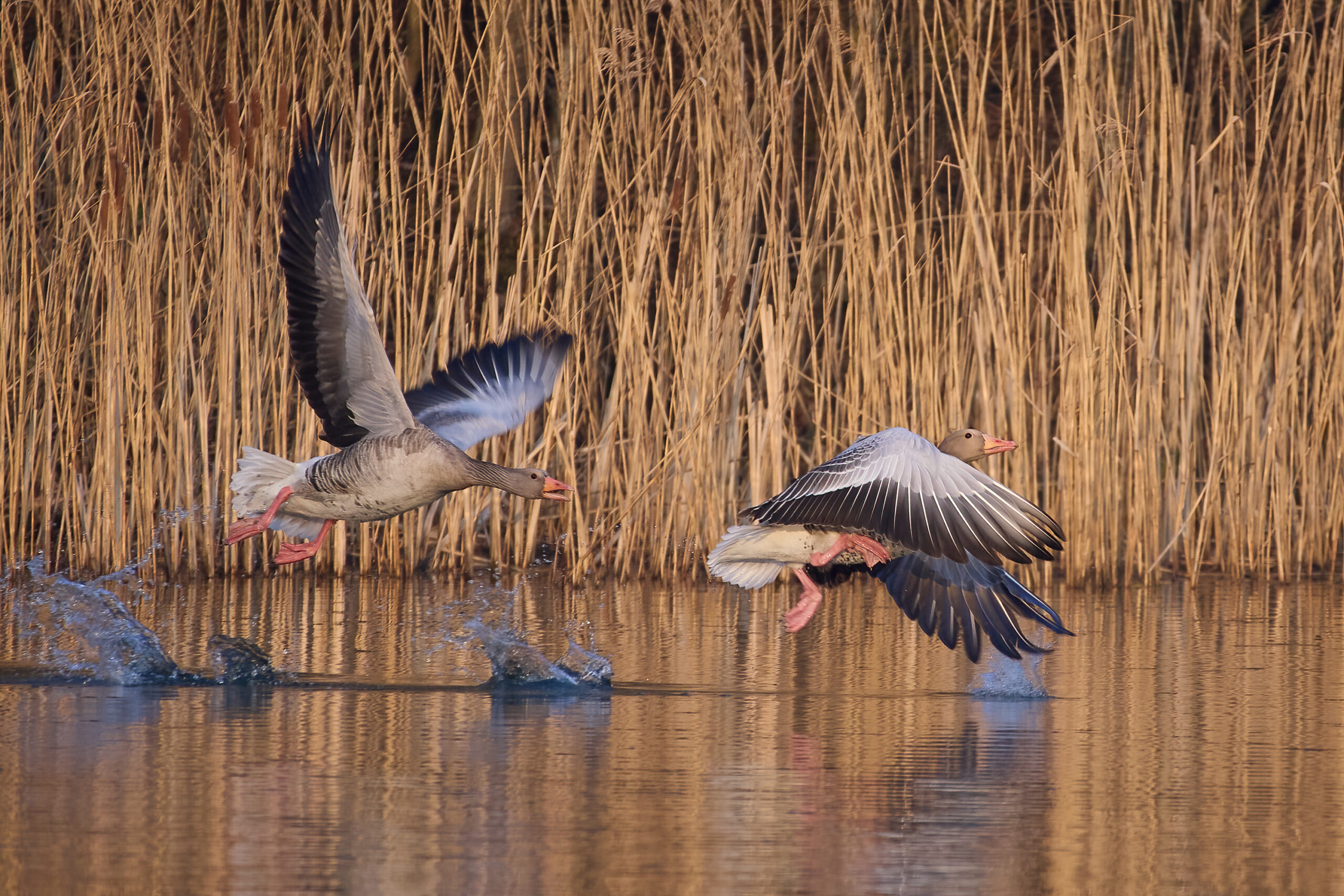
This started out as a popularized review of an article about continental waterfowl movements spreading Avian Flu (H5N1). One week prior to publishing this on the Origins Foundation website, a teenager in British Columbia was diagnosed with this dangerous disease, necessitating a broadening of the review. The following week a series of Canadian chicken farms were found infected with Avian Flu. Then 2 weeks later, a group of dairy workers showed evidence of H5N1 exposure causing worries about the safety of North America’s milk supply. It seems our understanding of the disease is unfolding faster than most can keep up with. As in Covid, zoonotic transmission (wild animal-to-human) cannot yet be clearly confirmed or ruled out but wildlife as disease reservoirs remains a large concern.
Article review and attached opinion by Lee Foote, PhD (Conservation Biology)
Recent work combining 15 million waterfowl GPS locations, exposure likelihood to Avian Flu (also called viral variant H5N1), and the movement of presumedly infected birds along their migratory paths has shown some predictability of when and where outbreaks will occur in domestic poultry farms. Lead study author Fiona McDuie and 32 additional authors (2024) published Mitigating risk: predicting H5N1 avian influenza spread with an empirical model of bird movement in the journal Transboundary and Emerging Diseases
At issue: Avian Flu is a highly pathogenic avian influenza virus (HPAIv), in a family of respiratory diseases spread by body fluids like blood, urine, saliva, and respiratory droplets similar to Covid transmission. Avian Flu affects over 83 million birds in North America [reviewer note: this updated to 105 million since publication] and results in tens of millions of poultry deaths in high-outbreak years. It is rarely contracted by humans but strikingly, kills between 1/3 and ½ of the people who show symptoms of being infected. It is not known how many people show no symptoms however, mutation dynamics that could increase transmission rates to humans.
Waterfowl are highly gregarious, long-lived, and long-distance migrators present in most of North America at least during migration, and because they harbor Avian Flu, they, appear to be a logical starting point to examine disease transmission risks.
Some Background:
- Avian Flu was first detected in domestic birds (though true origins remain unknown) and then appears to have spread to wild species.
- It has been detected in 511 species of birds thus far.
- Avian Flu continues to mutate to become more virulent and lethal in wild birds along flyways and across the Atlantic as there is some migratory bird exchange with Europe and Asia.
- Previously outbreaks diminished in waterfowl during summers but now Avian Flu appears to be both over-wintering and over-summering in dense nesting areas. Wildfowl appear to be both disease reservoirs and vectors (spreaders).
- Waterfowl staging locations in Canada and breeding grounds of colonial arctic geese lead to the mixing of birds up and down all flyways which is a way the disease is widely distributed.
Using data to clarify the problem:
The authors used a series of waterfowl movement datasets including 15 million GPS data points on 1,300 migratory geese to both estimate their exposure to known Avian Flu occurrence at the county level and their subsequent movements in relation to Avian Flu outbreaks. They went further to check if these movements were specifically related to poultry farm outbreaks.
Poultry farms with infected waterfowl nearby were 2.2 times as likely to experience Avian Flu outbreaks as randomly selected poultry farms, so the model does seem to offer some broad predictive value.
Reviewer’s commentary (not from the article):
In the interim since publication, concern has emerged in the public press (10 November 2024) over a Washington State pig found infected with H5N1. The jump to mammals was predicted and swine are important amplifying and transformative carriers of viruses sometimes serving as a direct step to human infectivity.
In mid-November, Dr. Leana S. Wen, a health writer for the Washington Post, offered her four major concerns about Avian Flu.
- Many human cases exist but are only found by accident while checking for other viral infections.
- The gene sequencing of human cases suggests mutations to types more infectious to humans.
- Many human cases have no farm animal exposure suggesting they caught it from another human or a pet.
The McDuie wildlife article only references “informing wildlife management” but informing is a prerequisite to acting including the use of hunting effort, hazing, precautions around backyard bird feeding near poultry, small poultry farmers, bird fanciers, or pigeon racers, pet stores, and habitat manipulation to reduce the concentrations of waterfowl in key staging areas. Some systematic sampling for baseline occurrence in hunters’ bags or wild flocks would improve tracking any disease resistance within waterfowl or possible population reductions of some flocks.
Whereas waterfowl are abundant and diverse, so are raptors (hawks, owls eagles, and vultures); another grouping of migratory birds susceptible to Avian Flu variants. Raptors all consume other birds which would likely increase their exposure risks. Carrion feeders, like the endangered California Condor, may also have higher exposure risks. Condor numbers hover around 300 individuals in the United States. Other rare birds such as Canada’s sage grouse, Trumpeter Swans, and Whooping Cranes occur near waterfowl concentrations on prairies and potholes which could lead to higher exposure risks. Rare species may be disproportionally de-populated.
Some have speculated that climate change that allows the distributional spread of skunks and raccoons, as well as omnivorous feral pigs, might amplify risks because they all readily consume sick birds and could play a role in bird-carnivore- livestock-human transmission.
Several hunting dogs have been affected by H5N1 though no symptoms were evident. House cats allowed to freely pursue birds also share increased risks of exposure, possibly increasing the [currently low] risk of transference to human owners.
From the Covid experience, we learned much about the waste of public resources over public hysteria and wild speculations posed as “truth”. Whether H5N1 reaches pandemic status or not will only become evident with time. We can, however, expect subsequent pandemics and careful examination of risks, possible transmission avenues, and the relative roles that humans, livestock, and wild animals play need to be disentangled so management can build barriers, prevention strategies, and cures.
Finally, although vaccinations are controversial and politically charged, the biology of viruses suggests reason to expect that partial protection from H5N1 may come from seasonal flu immunizations.
British Columbia Elk Case Sets Legal Precedent for Cultivated Land and Hunting Laws
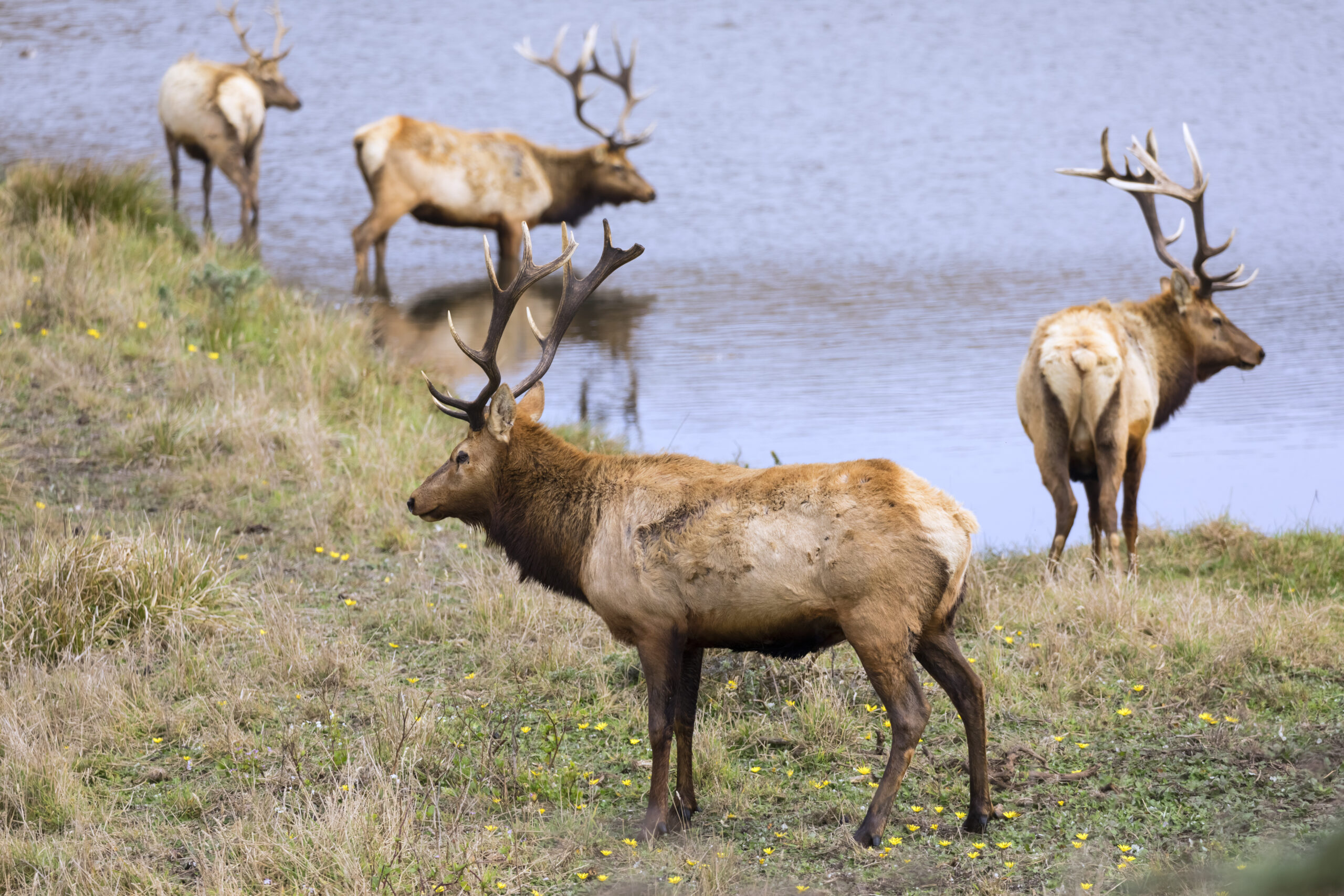
On September 28th, 2021, two individuals were elk hunting off a forest service road in the Invermere area of British Columbia spotted a herd of elk and began to observe them to ensure that a legal elk holding six or more antler tines was present in the group. The elk herd at this time were on private land belonging to an individual who lived in the area. One of the two hunters fired two shots from a rifle that was heard by the landowner. The landowner travelled to the two hunters and began to ask them questions. According to the landowner the men stated they were simply looking for elk to hunt. The men initially denied shooting the rifle but did eventually state that he did in fact fire two shots over the herd to move them. The landowner took photos of the hunters and their vehicle and contacted a conservation officer, who as part of their investigation seized the hunting parties’ rifles and licences. The landowner could see an injured elk in the herd, and it was subsequently put down by the attending officer. One of the accused in this matter was charged with:
- Hunting an elk with less than six points on its antlers, contrary to s. 26(1)(c)
- Hunting over or on cultivated land, contrary to s. 39(1)(a)
- Having hunted and injured an elk failed to kill it and include it in his bag limit, contrary to s. 35(2)(a)
This seems like a solid case to investigate. The hunters admitted to firing at the elk, which were on private land. Conservation officers that attended the scene seized not only the rifles but were able to recover a bullet from the carcass of the animal, as well as shell casings from where they were fired with the help of a K9 unit. Based on the definition of “Hunt” in the Wildlife Act for British Columbia anyone who is “shooting at, attracting, searching for, chasing, pursuing, following after or on the trail of, stalking, or lying in wait for wildlife or attempting to do any of those things, whether or not the wildlife is then or subsequently wounded, killed or captured: (a) with intention to capture the wildlife, or (b) while in possession of a firearm or other weapon” is considered to be hunting.
The definition of hunting is quite broad, but necessary to capture the different aspects of hunting. In the events of this investigation, it could very easily be determined that these men where in fact hunting. The men had met multiple parts of this definition as they were ultimately searching for as well as shooting at the elk. The judge determined the men to be in fact hunting at the time of the offence. Ballistic analysis had failed to prove the bullet recovered had been in fact fired from the rifle seized by the officers from the hunters. This ultimately eliminates the charge under s. 35(2)(a) (i.e., injuring an elk) as the officers could not prove the men killed the elk, as well as the s. 26(1)(c) charge (i.e., hunting a bull elk with less than 6 points), which I feel could still be debated, but at another time.
Next is the question of “cultivated” land. Without a definition in the regulations of what constitutes cultivated land has always been subject to interpretation. I think the judge in this case was reasonable and articulate in his findings and that this case will help prosecute others in the future. The judge had used the Oxford English Dictionary definition which includes “the care, cultivation, and breeding of crops and animals”. This, along with testimony from the landowner stating he had cattle on the 2700 acres of private land was enough to satisfy the judge that this land is considered “cultivated” and that cultivation, although not defined in the BC Wildlife Act, includes not only crops, but animals as well. The judge’s decision on the definition of cultivated land can now be applied not only private but also crown land that is subject to a grazing or agriculture lease. So, hunters need to be fully aware that cultivated land means more than simply seeing a crop or tilled soil.
Section 39 of the Act states, “Hunting over cultivated land.” As most legislation this is written to avoid any loopholes that can be found and, in this case, it works perfectly. By stating “over” and not on, this eliminates the act of shooting from a legal area (i.e., crown land) at wildlife on cultivated land and then obtaining permission from the landowner or lease holder to retrieve the animal. If the legislation had simply stated “hunting on” cultivated land, it could be easily circumvented by shooting wildlife while not standing on the cultivated land. The judge in this case was very articulate and reasonable in his definitions. The outcome of this investigation, although likely not what the officers wanted to see happen, was great for any future wildlife matters that come before the court.
Case law is needed in any investigation to define “gray areas” subject to interpretation. For BC to now have two major definitions figured out by case law that can be used in the future to help prosecute poachers is a big win for the conservation officers who are out there day after day protecting the wildlife for everyone else to enjoy.
How Inuit Hunters Sustain Polar Bear Populations Amid Policy Shifts
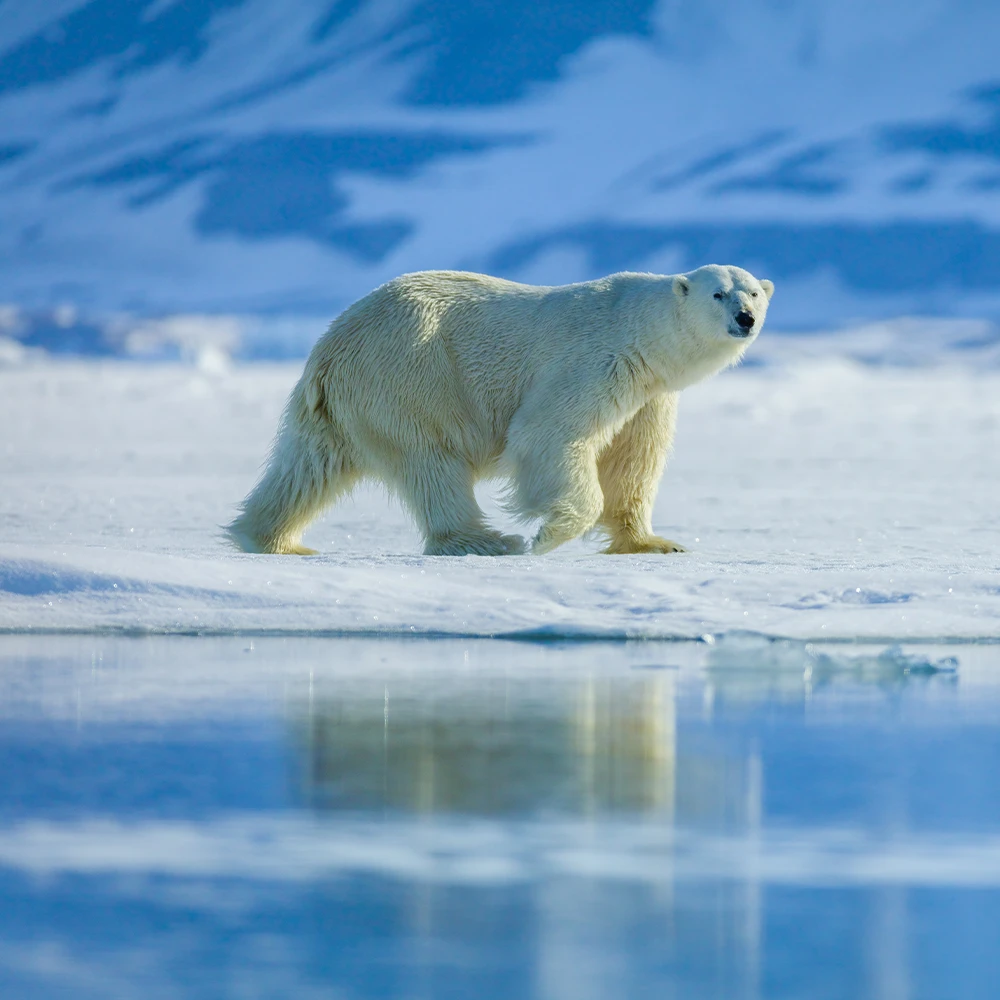
A study on polar bear hunting in Canada’s western Arctic shows how Inuit communities have balanced conservation with cultural traditions, even in the face of major policy changes. In 2008, the U.S. banned the import of polar bear trophies after listing the species as threatened, which caused a sharp drop in American hunters traveling to Canada for guided hunts. While this hurt the local economy, it didn’t reduce the total number of bears harvested.
Instead, Inuit hunters increased their subsistence hunting to fill the gap left by the lost guided hunts. Across the three polar bear subpopulations studied, overall harvest numbers stayed stable and within established quotas, showing that hunting remained sustainable. This reflects the Inuit’s deep knowledge of polar bear behavior and their long-standing commitment to careful wildlife stewardship.
However, the loss of guided hunts came at a cost—reduced income, fewer jobs, and fewer opportunities for cultural exchange. This study highlights the need for wildlife policies that do more than protect animals—they must also support Indigenous communities and respect their way of life. Responsible, quota-based hunting by Indigenous people can align with conservation goals while preserving cultural heritage and economic stability in the Arctic.
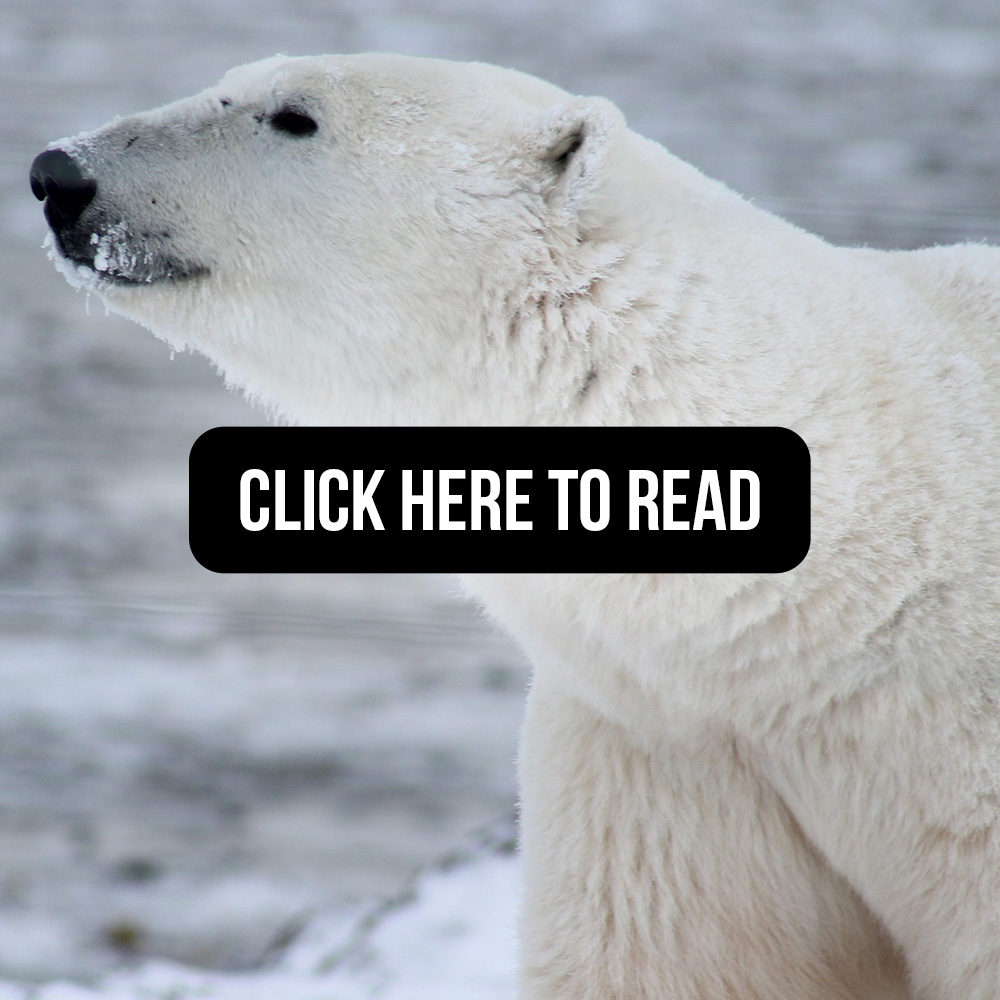
Is Recreational Hunting Sustainable? Exploring Its Impact on Wildlife Conservation and Community Benefits
Recreational hunting, including trophy hunting, is often promoted as a conservation tool that supports biodiversity and local livelihoods. It can help regulate wildlife populations, prevent habitat degradation, and generate funding for conservation through license fees and tourism. However, a comprehensive review of over 1,000 studies reveals that the real impact of hunting is far more complex.
Ecologically, hunting can benefit conservation when carefully managed, but poor oversight can lead to population declines and ecological imbalance. Socioeconomically, the benefits are uneven—local communities often see little of the financial gain and are left out of decision-making. Ethically, trophy hunting faces growing opposition over concerns about animal welfare, exploitation, and colonialist legacies.
So what does this mean for the future of hunting? The study calls for more integrated research that combines ecological, economic, social, and ethical factors. For hunting to truly support conservation, it must be context-specific, transparent, and inclusive—ensuring that local communities share in the benefits and have a voice in wildlife management.
Recreational hunting has potential, but only if it is practiced ethically, sustainably, and with the involvement of those who live closest to the wildlife it affects.
Compassionate Conservation vs. Ecological Reality: Balancing Ethics and Biodiversity
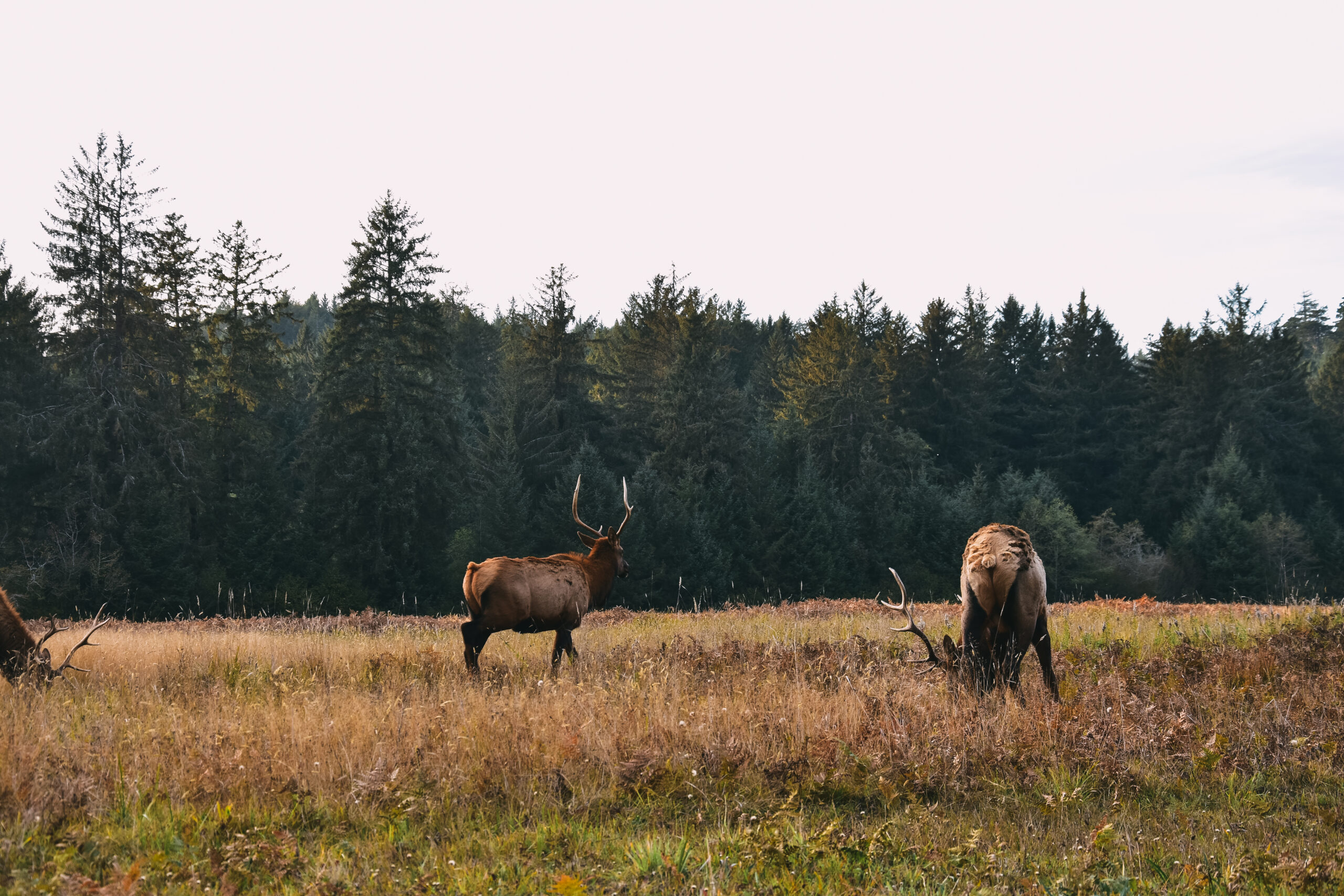
The rise of the Compassionate Conservation movement is reshaping debates around wildlife management by shifting focus from species survival to individual animal welfare. While traditional conservation emphasizes biodiversity, ecosystem complexity, and extinction prevention, Compassionate Conservation promotes a “first, do no harm” philosophy—opposing practices like culling, translocation, and captivity that may harm individual animals.
Supporters of this approach argue for ethics grounded in sentience and utilitarianism, but critics warn it could undermine proven conservation tools. Controlling invasive species or relocating wildlife—sometimes essential to protecting endangered species—could be restricted under this model. Real-world cases like wolf culls to protect caribou or dingo releases to manage goats highlight the tension between protecting individuals and preserving ecosystems.
Critics stress that extinction is permanent, while the temporary discomfort caused by conservation measures like tagging or sterilization can be justified for the greater ecological good. With biodiversity loss accelerating, abandoning effective practices risks global setbacks.
The path forward lies in blending compassion with science. Conservation must respect animal welfare, but not at the cost of losing entire species. Ethical, science-backed interventions remain vital if we are to meet global biodiversity goals and preserve ecosystem balance for future generations.
Global Gaps in Megafauna Protection: New Index Reveals Which Countries Lead—and Lag—in Conservation Efforts
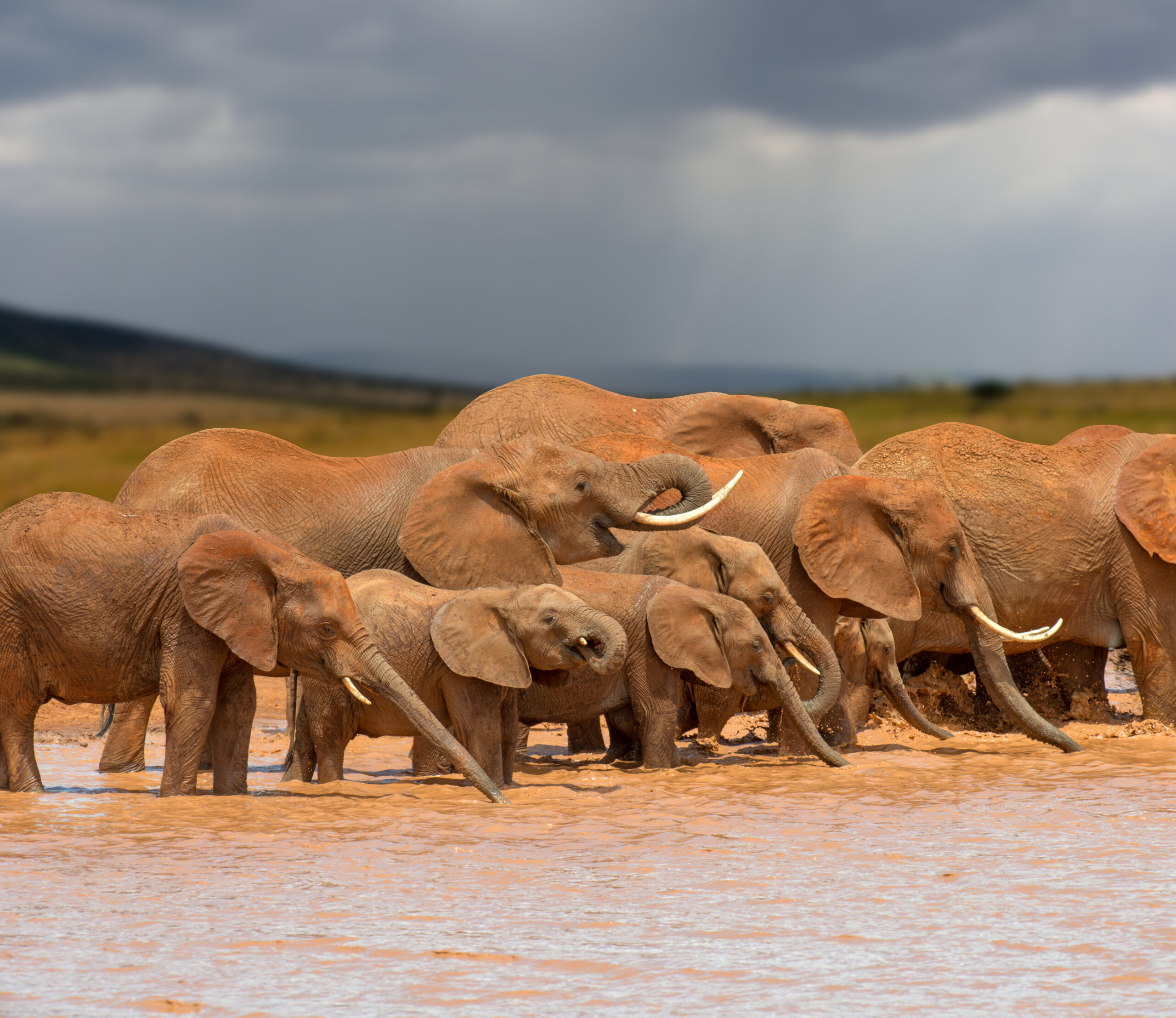
To address the lack of comparative data on global conservation efforts, researchers developed the Megafauna Conservation Index (MCI), evaluating 152 countries based on their spatial, ecological, and financial contributions to conserving terrestrial megafauna—species that are ecologically important but costly to protect.
The study found that North/Central America (90%) and Africa (70%) had the highest proportion of countries classified as major or above-average performers. In contrast, Asia (25%) and Europe (21%) had the highest share of underperforming nations. The MCI aims to guide countries in improving their efforts through three key strategies: expanding protected areas, increasing conservation funding (domestically or abroad), and rewilding landscapes.
The authors advocate for the regular publication of conservation rankings to encourage accountability, celebrate strong performers, and inspire global progress in megafauna protection.

Rethinking Grizzly Bear Hunting in British Columbia
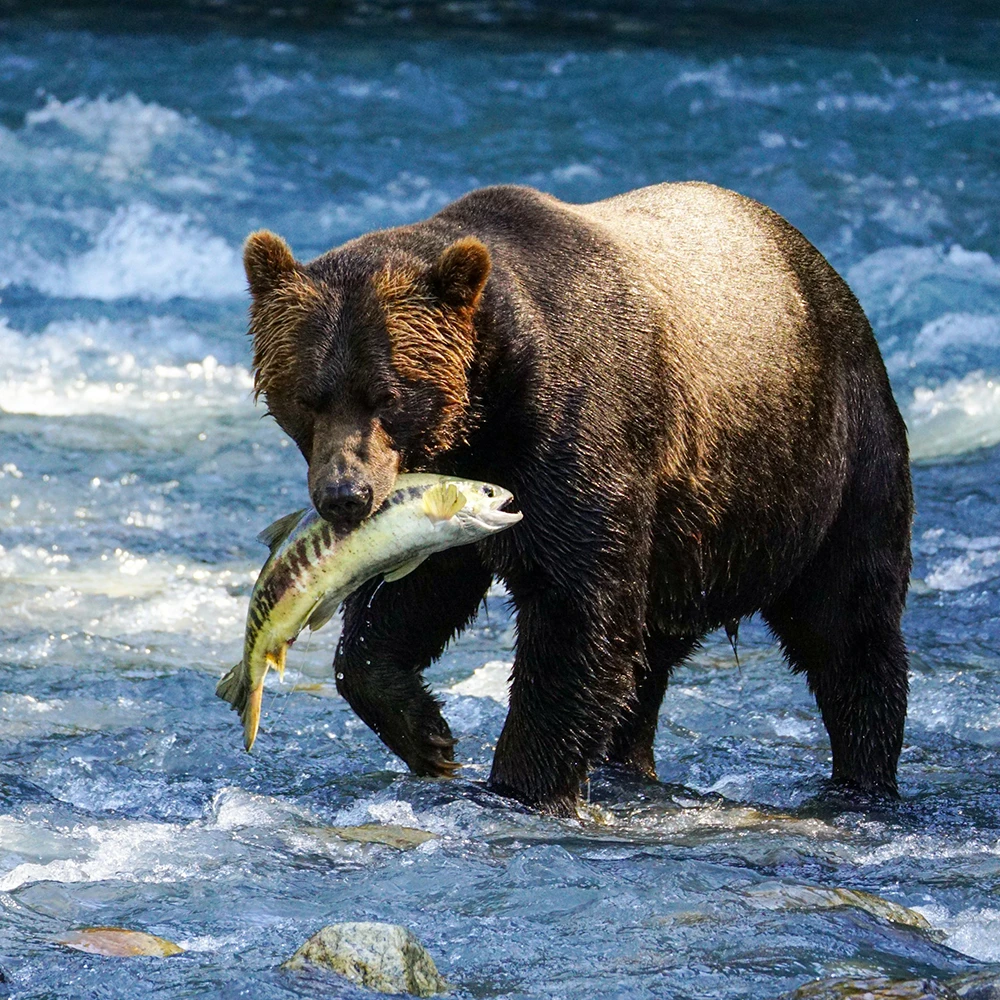
A recent study in The Journal of Wildlife Management suggests that grizzly bear hunting in British Columbia, when properly regulated, can be sustainable. The research found no clear evidence of widespread population decline in hunted areas, challenging claims that hunting inherently harms grizzly populations.
Key indicators—such as age and sex of harvested bears and population densities—suggest current practices are not significantly disrupting social structures or causing ecological damage. However, the study emphasizes the need for localized monitoring and adaptive management, as sustainability can vary by region.
Importantly, the research calls for ongoing data collection, flexible regulations, and collaboration with Indigenous communities and stakeholders to ensure that hunting remains ecologically sound and socially responsible.
So here is the #Proof, regulated grizzly bear hunting in British Columbia can be sustainable when guided by science, adaptive management, and community input.

Selective Trophy Hunting Causes Genetic Erosion in Big Game Species
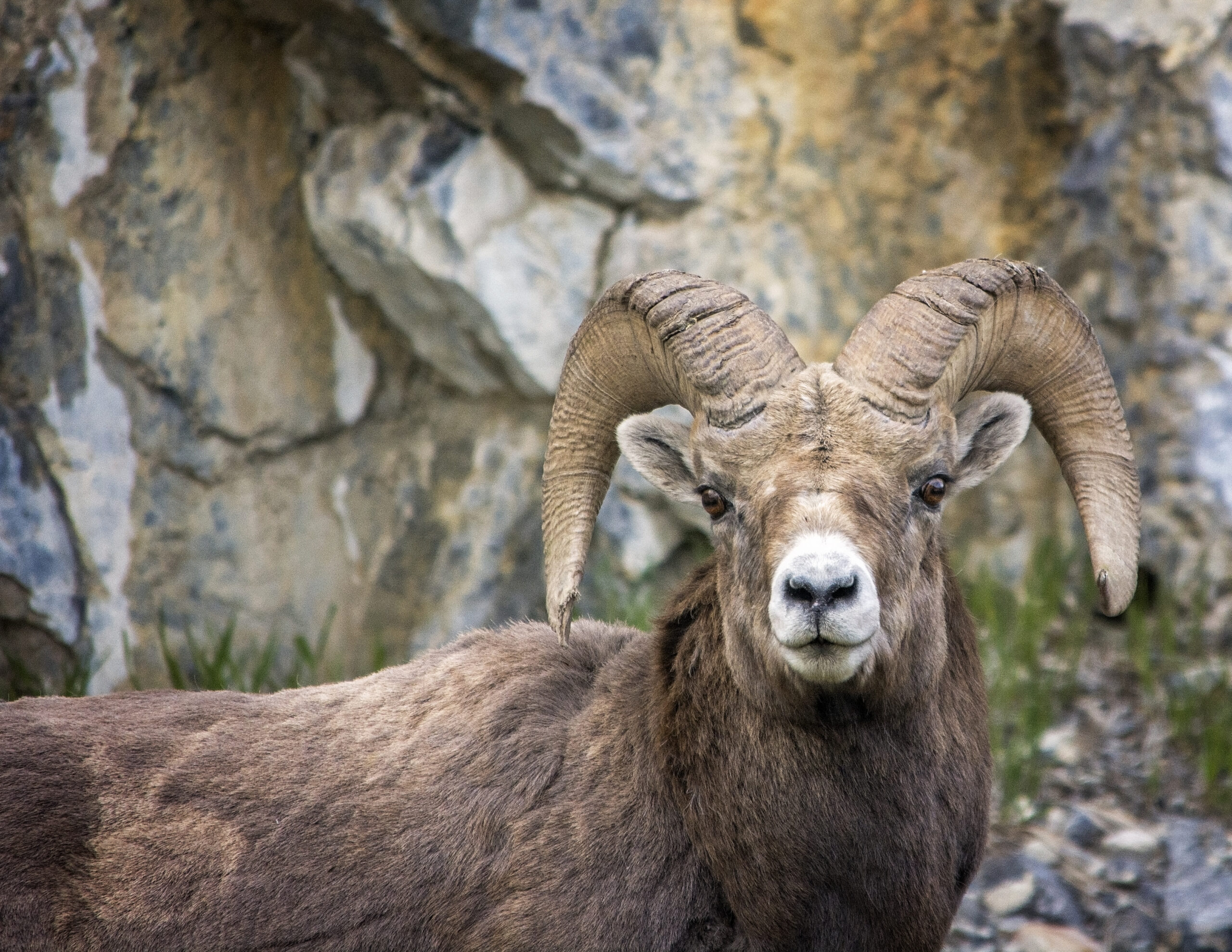
The study “Undesirable Evolutionary Consequences of Trophy Hunting” by Coltman et al. (2003) highlights how selective hunting of bighorn sheep in Alberta has led to a decline in genetic quality over time. Trophy hunters typically target rams with the largest horns and bodies—traits that are heritable. By consistently removing these high-quality individuals before they can reproduce, trophy hunting reduces genetic diversity and reproductive potential within the population. Over 30 years, researchers observed measurable declines in horn length and body size, indicating microevolutionary shifts driven by hunting pressure. These changes not only compromise the species’ long-term adaptability but also threaten the sustainability of the trophy hunting industry itself. To mitigate these effects, the study recommends age- and trait-based harvest regulations, ongoing genetic monitoring, and education promoting sustainable hunting practices. Without science-based management, trophy hunting risks undermining both conservation goals and ecosystem health.
